

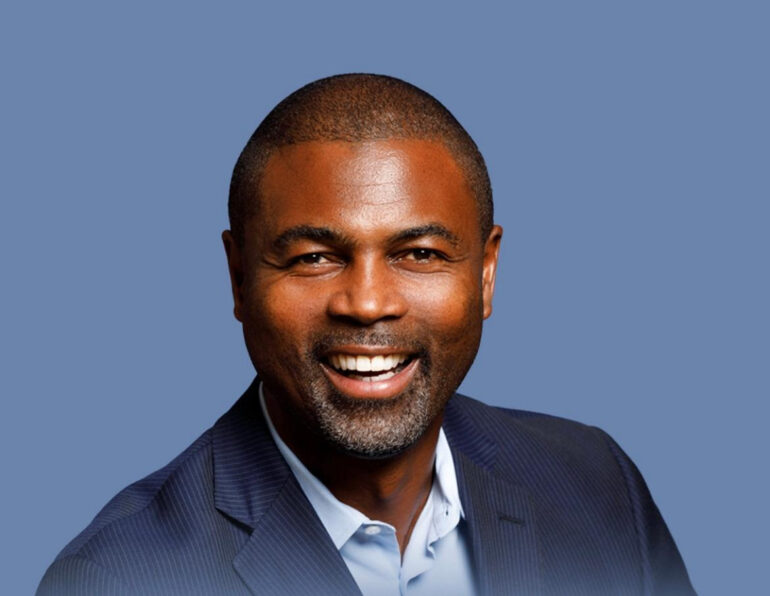
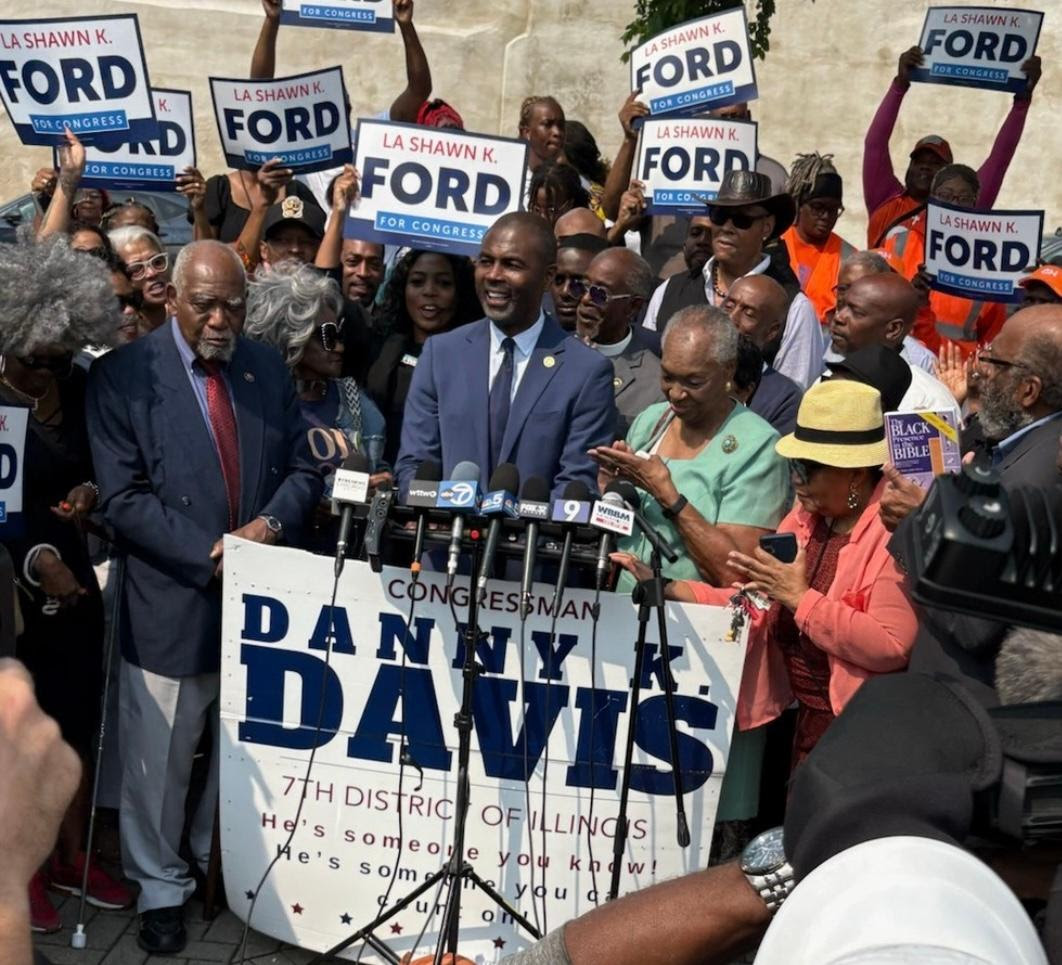
LaShawn Ford is an American politician who is a Democratic member of the Illinois House of Representatives, representing the 8th district since 2007. The district includes the West Side of Chicago and the suburbs – Oak Park, Berwyn, North Riverside, Forest Park, Proviso Township, Brookfield, LaGrange Park, LaGrange, and Western Springs. He was a candidate for Mayor of Chicago in 2019. He is currently running for the United States House of Representatives in Illinois’ 7thCongressional District, endorsed by Congressman Danny Davis.
He was born in Chicago in Cabrini-Green and grew up in Austin. Ford never knew his father and was adopted at birth by his grandmother. He attended Catholic Elementary School and graduated from Weber High School. He attended Niles College Seminary, thinking to become a priest. Ultimately, he received a bachelor’s degree in Elementary Education with a minor in Political Science.
Ford has chaired a number of committees: Appropriations—Higher Education; Financial Institutions, Restorative Justice. Ford’s committee assignments are: the Appropriations Committee on Elementary & Secondary Education; Appropriations Committee on Human Services; Insurance: Property & Casualty; Tourism, Hospitality & Craft Industries; and Veterans’ Affairs.

N’DIGO: You’ve served as a State Representative (8th District) for 20 years—what do you consider your proudest accomplishments in the Illinois legislature?
LaShawn Ford: Listening to the constituency gives me the ability to develop impact. I have heard the communities share their concerns and interests. ‘Ban the Box‘ was a critical issue that impacts ex-offenders and their families. My connection with the community has been my most outstanding achievement, which is how things get accomplished. HIV testing is now part of routine medical checkups when you visit the doctor. We removed the intrusive parts of the routine test, offering the option to opt out. Legislation making cannabis registration available for minorities to obtain licenses has been a top priority. Governor JB Pritzker says it is the most significant bill I have passed. The cannabis licensing program helps build legacy and generational wealth. Black people previously could not obtain licenses without this bill. We secured more permits through this legislation. Today, many have opened businesses or sold their licenses, creating wealth. Fifty-five new permits have been granted to Black residents in Illinois.
Over two decades, you’ve witnessed major political shifts. How has Springfield changed since you first took office?

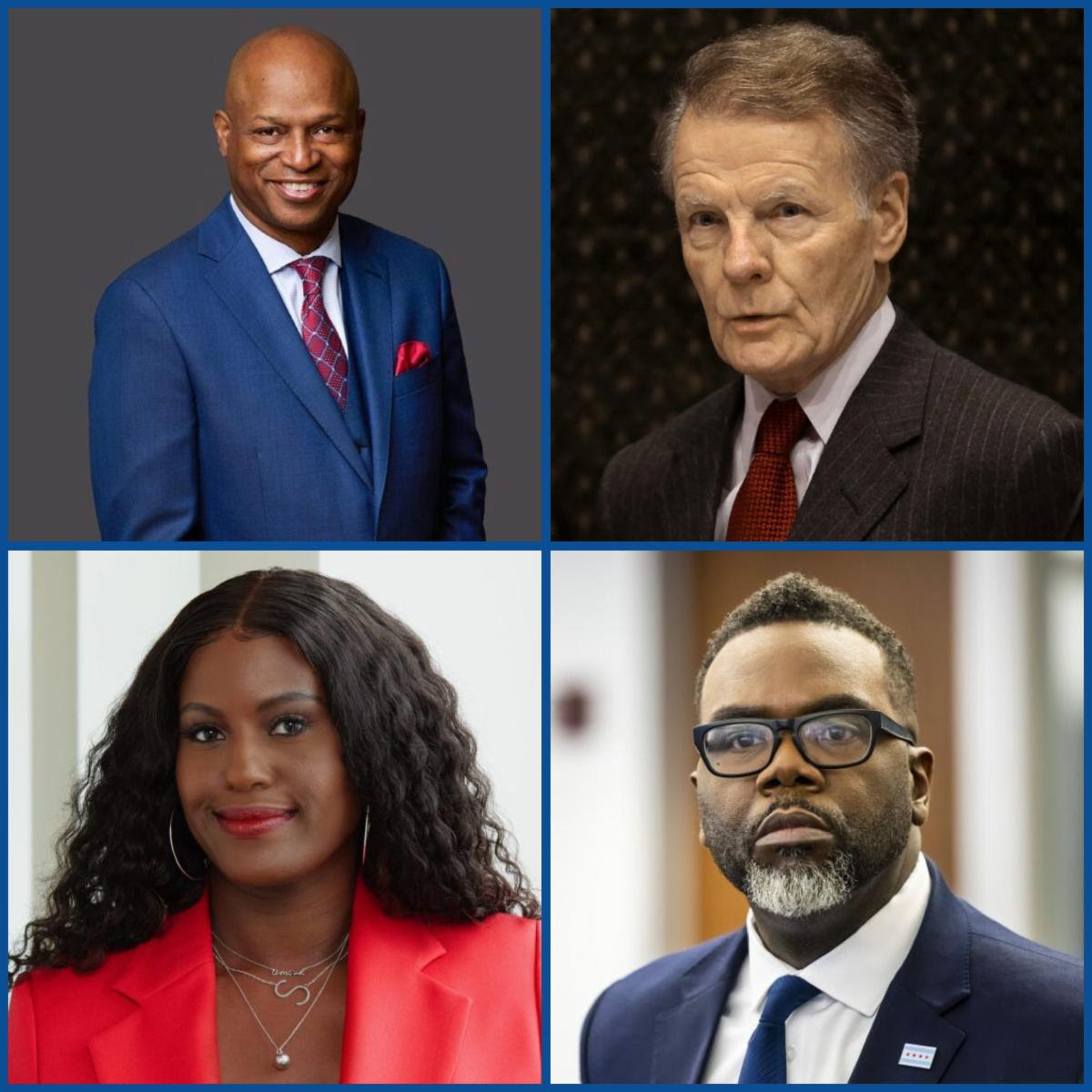
In Springfield today, we have a Black Speaker of the House, Chris Welch. There is a different conscience than when I was first installed; Michael Madigan was Speaker. Welch understands both sides of an issue. He is capable and competent to work with all sides. This is significant. He has been involved with the Black press, marking a notable change. There is a need to bring more funding to the community. The foundation for that is being laid.
What unfinished business do you feel you’re leaving behind at the state level as you transition to a congressional run?
There is work to be done on college affordability in Illinois. We have to make college more affordable. We need federal funds. We need more money for Medicaid to support health centers, and then there is the funding issue for public schools, which amounts to $1.6 billion. They are right; they have been underfunded for as long as I can remember. Public schools have never been fully funded. This is ongoing work. Mayor Brandon Johnson and the teachers’ union leader Stacey Davis Gates are right. Traveling to DC will support this effort. It is important. The federal level impacts everything we do at the state level. The money we send to Washington does not come back. We do not need to raise taxes; we need more support from the feds. I chaired Federal institutions. It’s hard to do at the state level. We have to go to Washington with federal regulations. This includes issues like buying homes and loans for businesses. We need to strengthen legislation.
What motivated your decision to run for Congress at this moment in your career?
People are going to prison because of drug addiction. The war on drugs still affects our community. We need to examine the criminalization of drugs. We should go to Washington to reclassify the cannabis license to strengthen it as a new legal business sector, allowing businesses to work with banks. Currently, it is a cash-only business. When it is legal federally, companies can borrow money from banks, hire employees, and open bank accounts. Social equity entrepreneurs tend to use banks for their businesses; otherwise, they do all cash transactions.
What issues do you feel are not being adequately addressed in Washington that you want to champion?
I want to ensure that college remains affordable, as it is currently out of reach for many people. I aim to increase support for college students. Congress can play a role in making college more affordable. I also want to examine the concept of second chances. There is often a lifetime punishment for those who have been reformed after decades, a felony. We need to give people a genuine second chance. I plan to build on Congressman Davis’s Second Chance Act to help those who have been incarcerated find financial opportunity. Additionally, I want to protect Social Security and Medicaid. This is crucial because Social Security supports seniors and people with disabilities, who are currently under attack.
Housing needs to be leveraged with the Feds to boost housing opportunities. When was the last time we increased the housing allowance? It is critical to also increase CHA grants and vouchers. Childcare is not affordable, and access to affordable childcare is necessary.
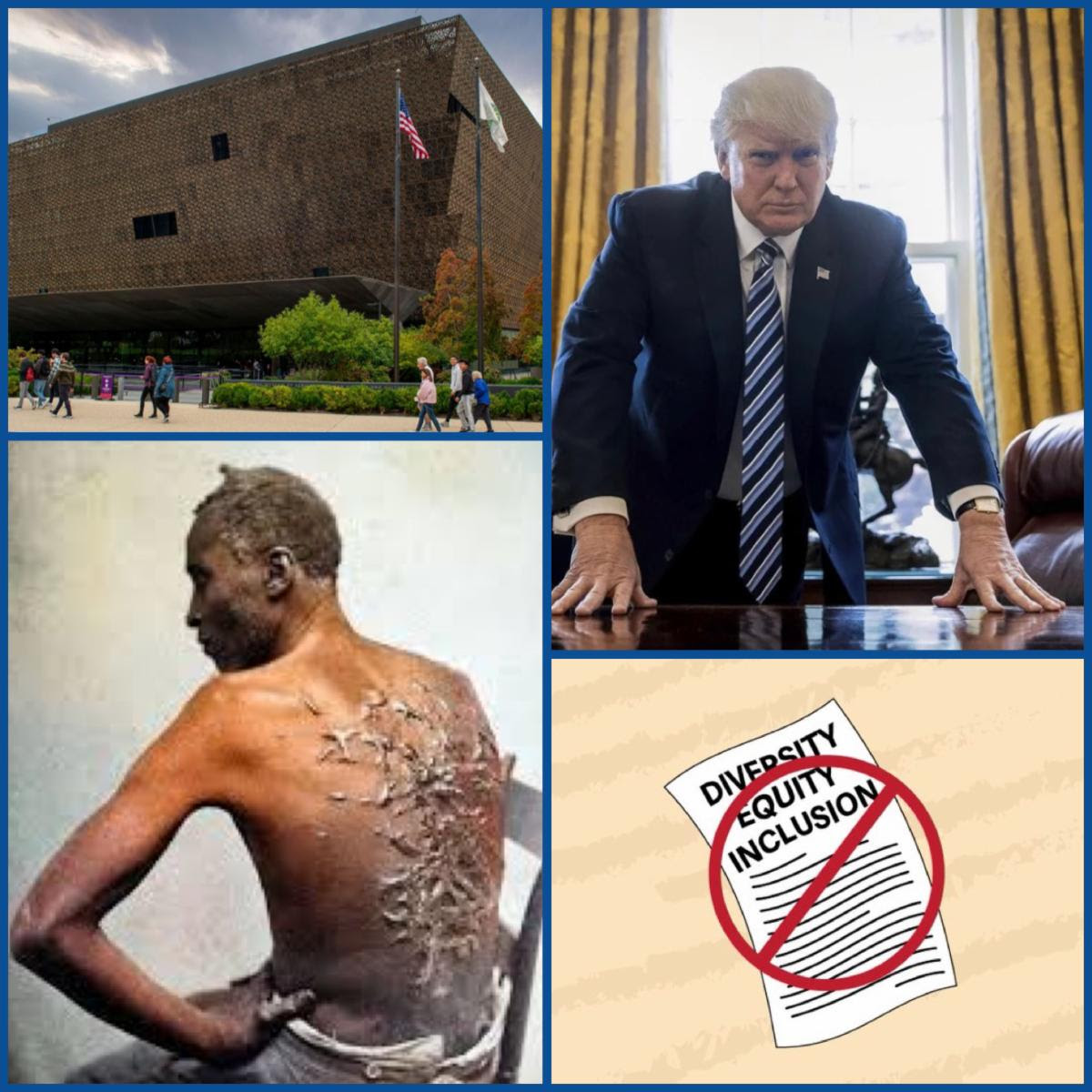
The Trump administration appears to be erasing Black history through banning books and reducing funding and oversight of the African American Museum of African History. As a Congressman, what actions can you take to oppose this?
I taught history in public school. One of my struggles was when two girls approached me about the history being taught in class. They told me they had to read an offensive book, The Ten N Words. I proposed a bill to focus on civics instead of racist history. The history taught is one-sided, written by white men, and promotes a narrative of white superiority. We must push through Congress for an accurate history. People need to understand that history doesn’t tell the whole story. Black people were not born enslaved. We have to see ourselves as ‘Kings‘ and ‘Queens‘ from where we began. We tend to see ourselves as coming from enslavement. White people see themselves as in charge, and history can be harmful and hurtful. History is supposed to tell the truth. Making America great again means white people are in charge. White women need to join this effort. They were not treated well either.
What lessons have you learned over the past 20 years about leadership and coalition building that you’ll bring with you to Washington?
Half of the people in Congress have legislative experience from state houses, which is valuable as they advance to the next level of government. Congressman Davis compares it to moving from the ‘Little League‘ to the ‘Big League‘. I know how to negotiate bills. Many believe they do too, but lack practical experience in doing so. I have that experience. I know how to work with diverse groups, including businesses, politicians, educators, lobbyists, and communities. I am ready to do so from the very beginning.
What about the next generation?
We must do everything in our power to support the next generation in journalism, so that the truth can be told. News today becomes history tomorrow. We need to build generations grounded in the truth. Journalism for now. It is not a campaign.