
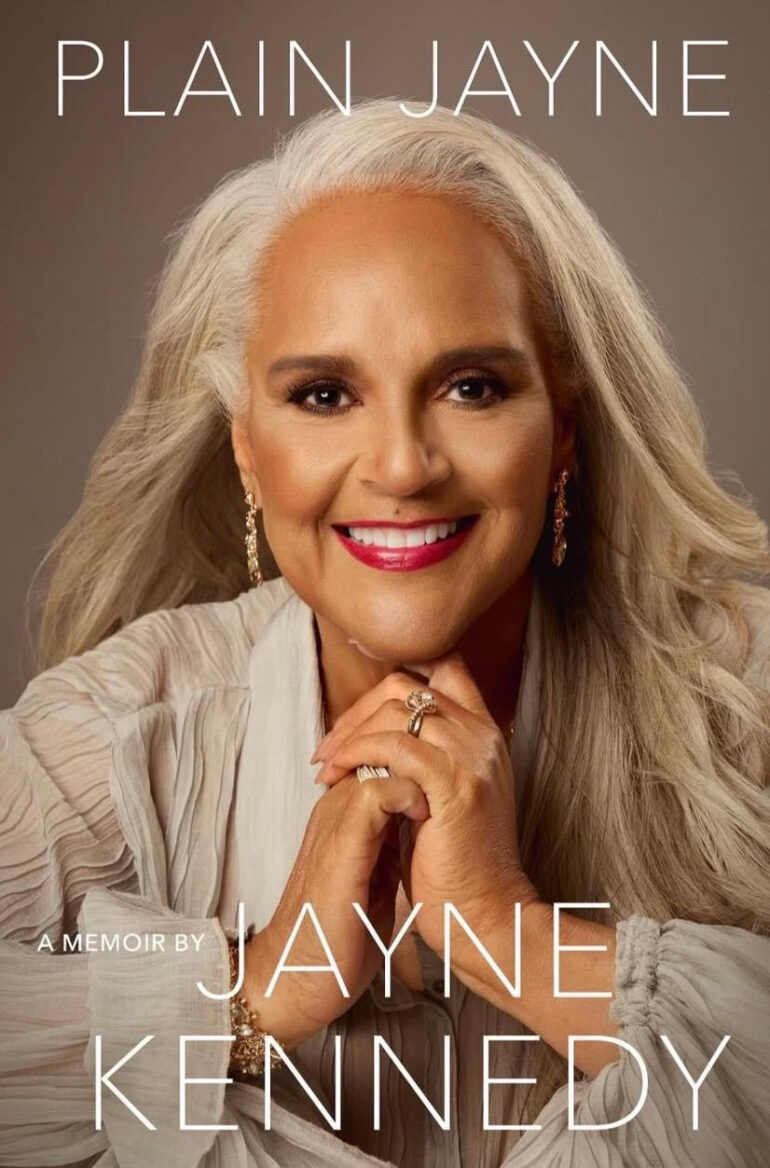
Legendary Black actress, sportscaster, producer, and cultural icon Jayne Kennedy is making a comeback. Her new memoir, Plain Jayne: A Memoir, is the first step to reclaiming her legacy. Jayne remains one of the most recognized Black women in the history of national sports television.
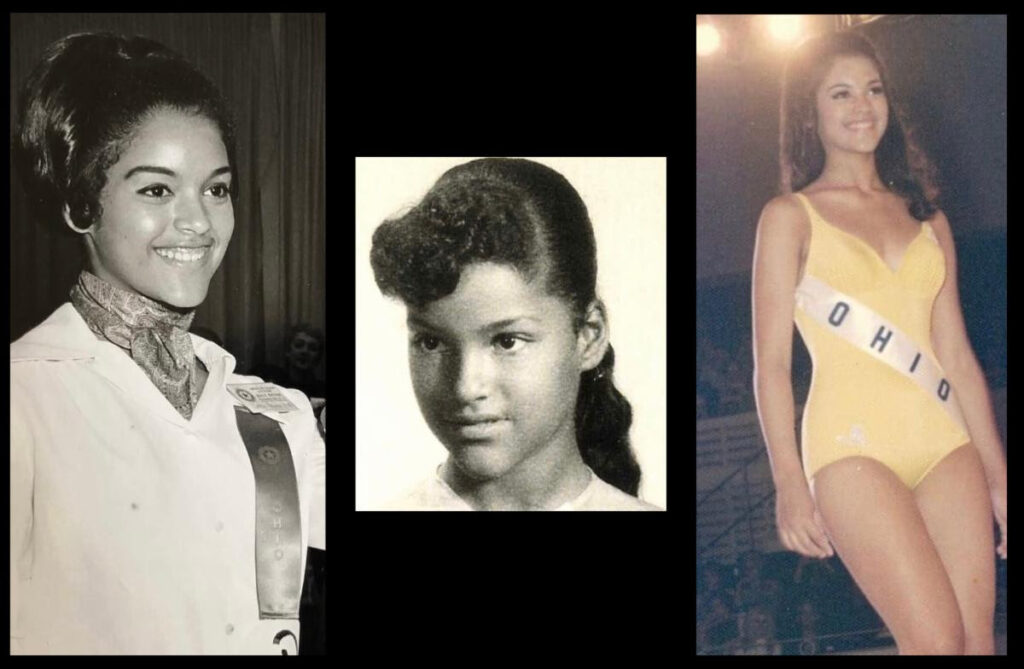
That little girl from a tight‑knit family in Ohio rose to fame as the first African American to win Miss Ohio USA and place in the top 10 at Miss USA in 1970. The pageant wasn’t just for show but rather her plan to get to the big show – to expand beyond the boundaries of her small‑town upbringing. And that it did, becoming a launchpad to dancing on major variety shows, guest spots on popular series, and launching her own movies and projects.
Jayne was an undeniable force, and it all led to her becoming the first African American woman to co‑anchor a national network NFL pregame show, The NFL Today. Later she continued acting and producing in projects like Body and Soul and Love Your Body.
Jayne admits that not every step was peaches and cream and chose to step away from the limelight. She describes a dark period as ten years of misery and how dedicating herself to family and private life was critical to her self‑healing.
The memoir is a step in continuing to pave the path she started so many years ago. Jayne sat down with N’DIGO to discuss her past and how it connects to her future.
“Let Fancy Prancy Do Whatever She Wants”
N’DIGO: (Reggie Ponder): You’ve been “first” so many times—pageants, Hollywood, The NFL Today, and now this memoir. Before any of that, you were a little Black girl in Ohio. What did your family put in you that made all those firsts even imaginable?

Jayne Kennedy: The first person who really spoke that into me was my grandmother. I was four years old, running around the yard in these little shorts with palm trees on them, a matching top, and those cat-eye glasses with the sparkles on the ends. I thought I was bad stuff. I’d prance around saying, “I’m going to Hollywood. I’m gonna be a movie star.”
Everybody else would say, “Oh, shut up, Jayne. You know you’re not gonna do that.” My grandmother stopped them. She said, “Let Fancy Prancy do whatever she wants to do. If she wants to be a movie star, she’s gonna be a movie star.” I never forgot that, because it was the first time an adult said out loud, in front of everybody, that my dream was valid.
I went on to do everything—student council, Girls Nation, drama. I actually thought I was going into politics. I went to Girls Nation in Washington, D.C., and I was elected vice president of the United States. Spiro T. Agnew swore me in. So I just knew I was headed that way. Then I got a chance to do a television show in Cleveland. I’d been taking drama since seventh grade, so when that TV door cracked open, I thought, “This is the thing I really love.”
A Mother’s Blessing to Leave Home…
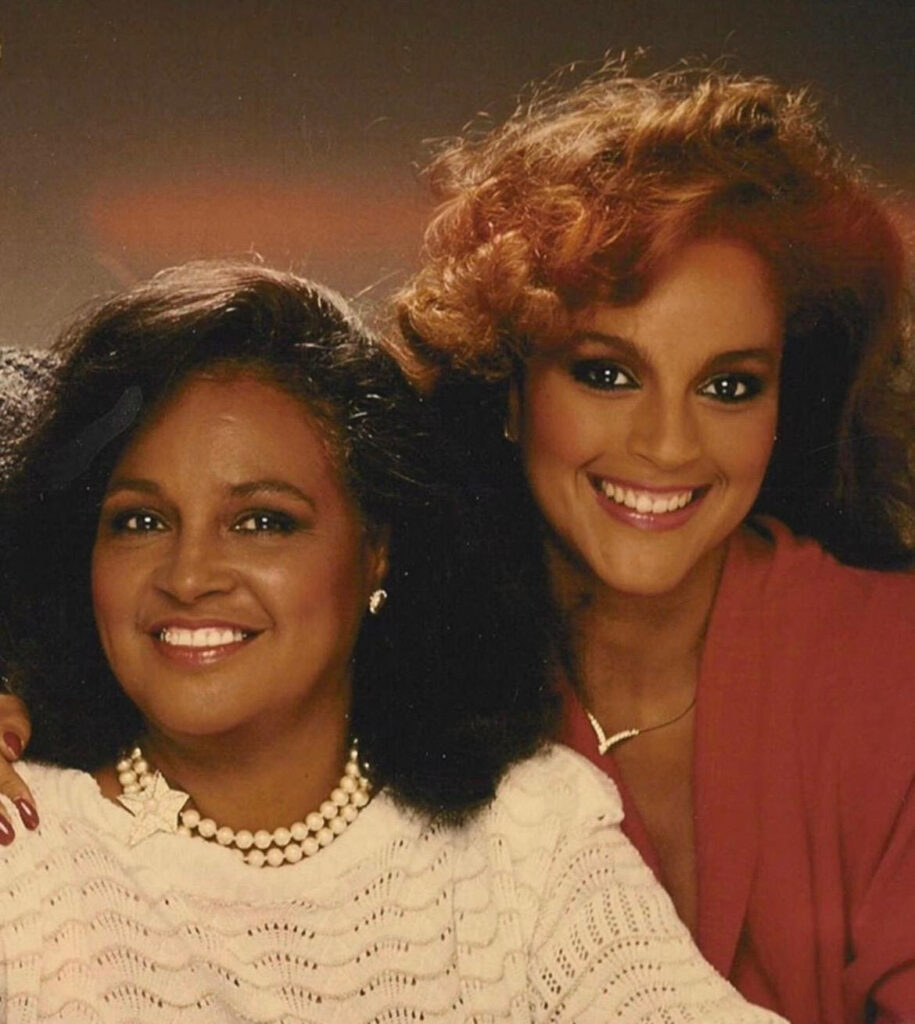
Leaving a tight-knit Black family in Ohio to chase a TV career in Los Angeles is a big leap. What did your mother say that made you feel you could actually go?
We were a very close family—six kids, and we did everything together. I was sure my mother would say, “No, you can’t go to Los Angeles.” Instead, she shocked me.
When I told her I was moving, she said, “Jayne, you need to go. I’m happy for you, because you’re going to be special, and it’s not here. You have to go to Los Angeles and make your mark in L.A.” For a Black mother in that era, to bless her daughter leaving like that…it meant everything.
That sentence—“you’re going to be special, and it’s not here”—gave me permission to walk into spaces that weren’t designed for me. So when I’m the only Black woman in a room in Hollywood or on The NFL Today, I’m not just bringing my own ego in there. I’m bringing my grandmother’s belief and my mother’s blessing.
Sewing Her Own Image…
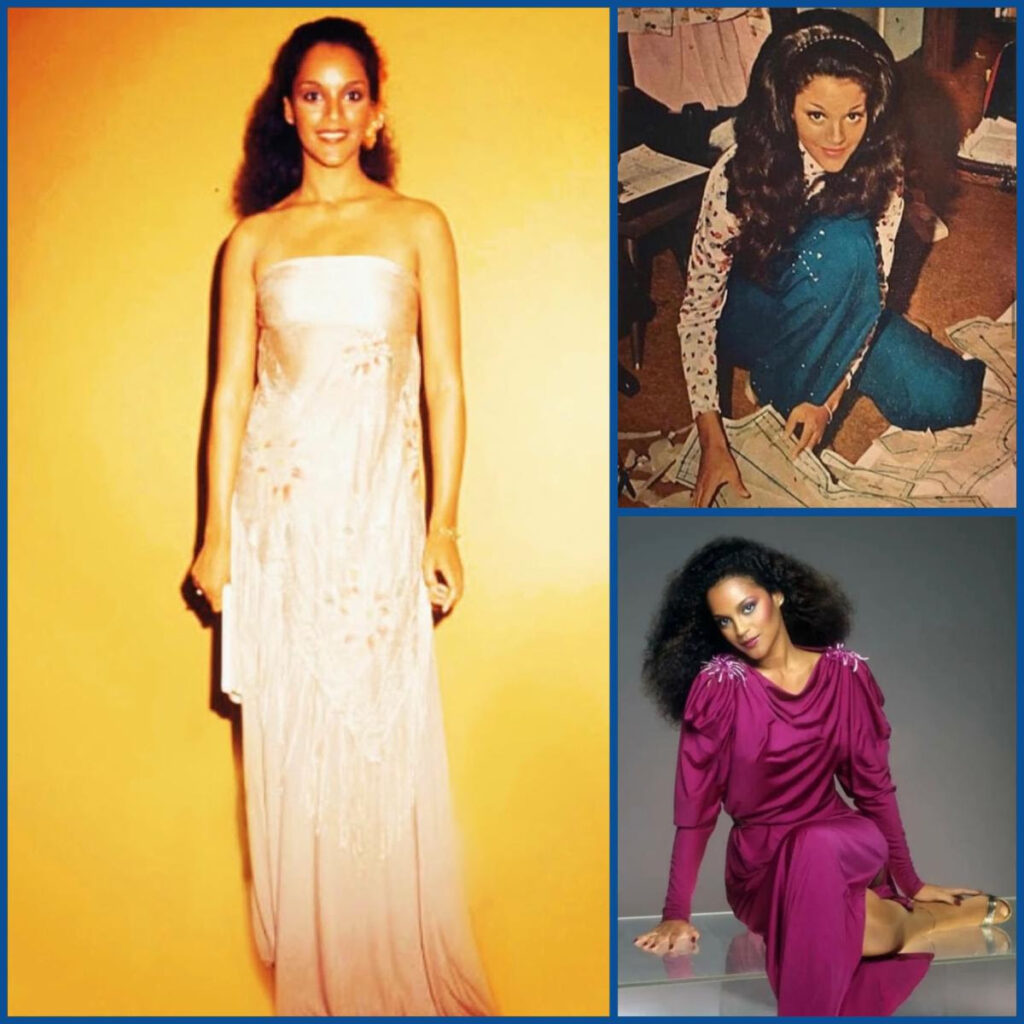
People remember the magazine covers, the gowns, the red carpets. But you’ve said a lot of that glamour was literally sewn by your own hands. How did making your own clothes shape how you moved through pageants and Hollywood?
Sewing was survival and self-expression. My mother taught me to sew when I was young. We didn’t have designer money, but I still wanted to look like I belonged on those stages and carpets. So if I wanted a gown, I had to make it.
I made my own bridal gown when Leon and I got married, and I made all my bridesmaids’ dresses. When I got to Los Angeles, I made the gown I wore to my first Oscars. I made the gowns for “The Most Beautiful Girl in the World” pageant—a big, sparkling, blue number that was just fabulous.
There’s one story that really tells you who I am. In L.A., there was a tailor who had this back room full of incredible fabrics that all the big designers used. He takes me back there, I find this amazing fabric, and he says, “Do you want us to ship it to your designer?” I said, “No, I’m making it myself.” He looked at me like, “You’re going to cut this?” He finally said, “Okay. If you’re serious, sew it, bring it back, put it on, and if it’s perfect, I won’t charge you.”
I brought that gown back, put it on, and it fit perfectly. He kept his word. For me, that was symbolic. People didn’t expect me to be the one cutting the fabric—literally or metaphorically. They thought I was just a mannequin. But I’ve always been willing to do the work, to learn the craft, so I can shape how I show up in the world.
Learning Every Job Because There Were No Roles…
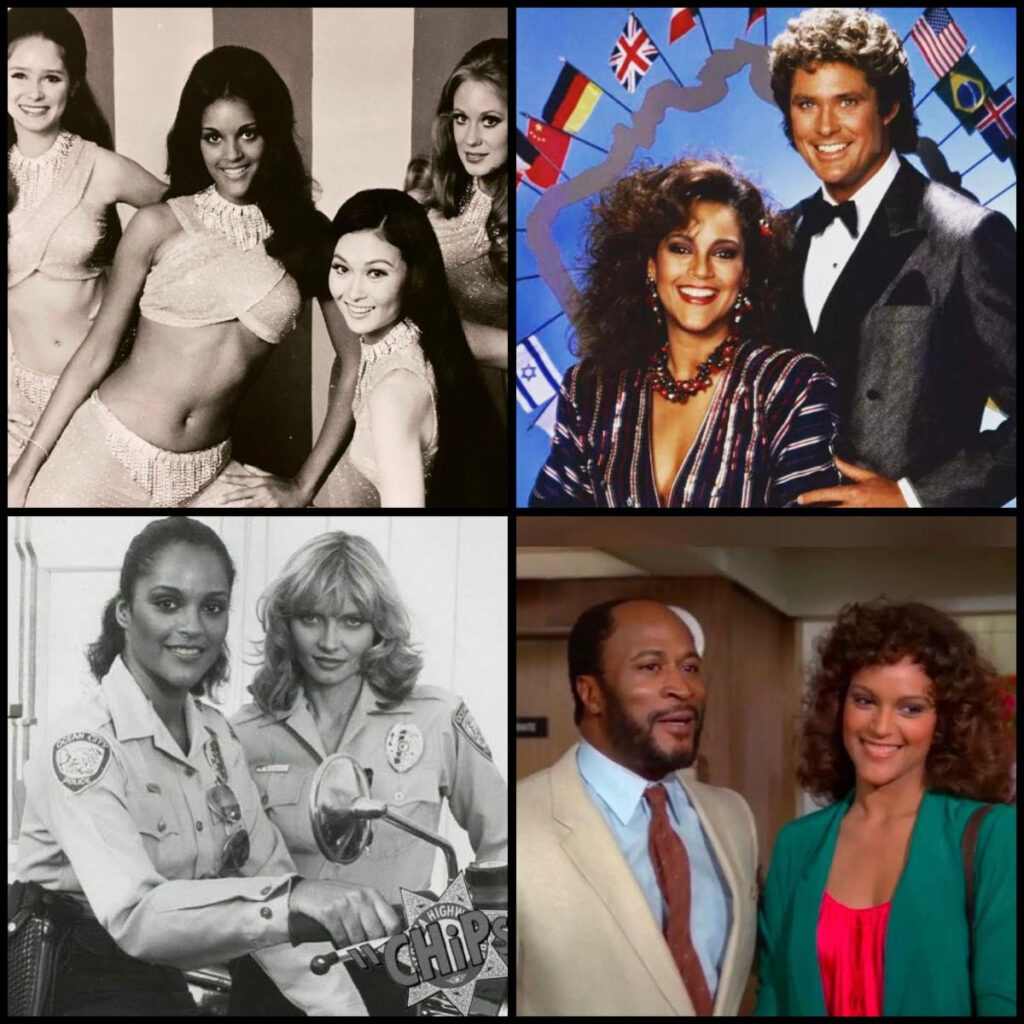
In the book, you talk about going through middle and high school drama programs where there were no roles written for Black girls. Yet you still came out the other side as a thespian. How did that happen?
Every play we did in school, there was never a part for a Black girl. I could’ve just walked away from drama, but I loved it too much. So I went backstage.
I learned design, hair, makeup, lighting, sound—everything. By the time I graduated, I had so many credits in all those other areas that I qualified as a thespian. Usually, that title goes to an actor. I got there completely from behind the scenes.
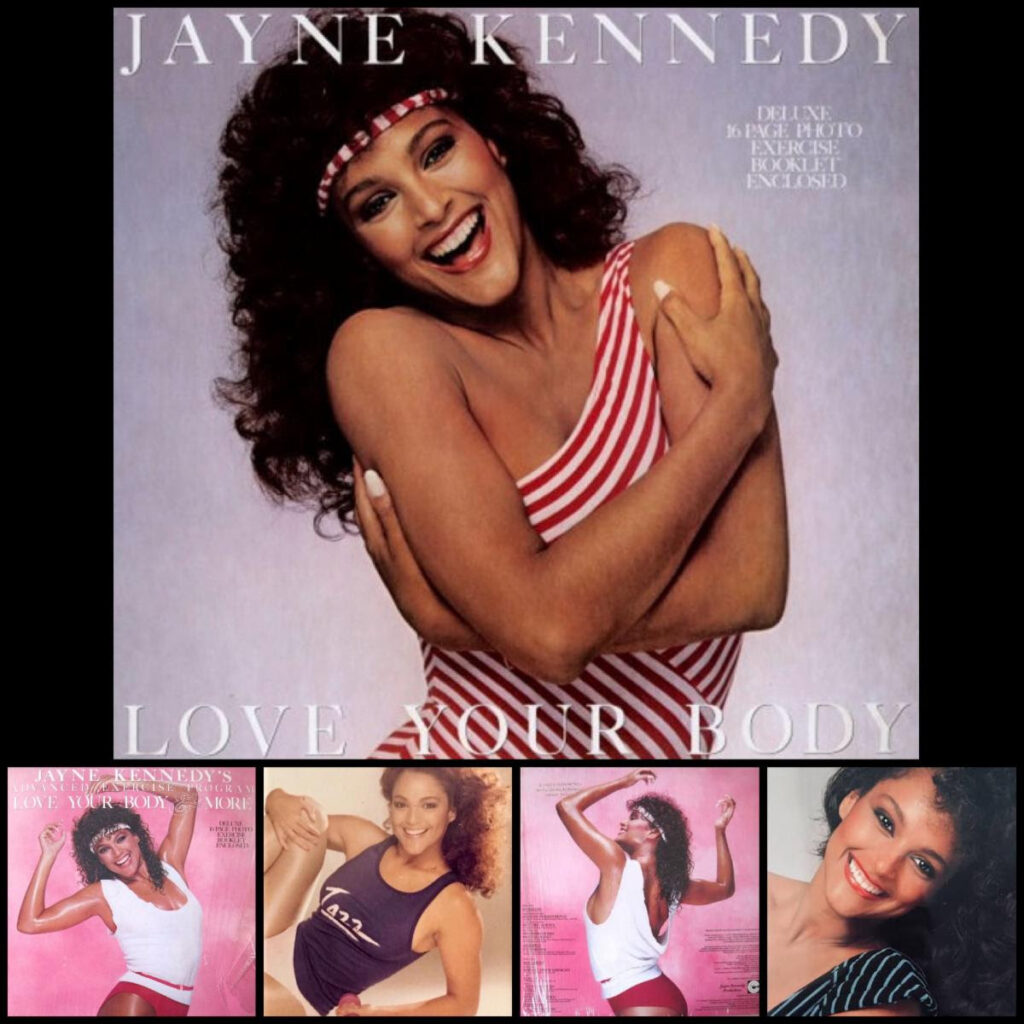
Later, when I came to Los Angeles and worked with people like Ted Lange and Glynn Turman, it was the same energy. There wasn’t a lot of work for us, so we supported each other’s projects. I learned all the little tricks of the trade sitting in those rooms. So by the time I was producing Body and Soul and my Love Your Body fitness program, I knew what I was doing. I knew how to work a soundstage, how to talk to a crew, how to lead a production—because I had literally done every job.
“I’m the Woman Who Can Get You the Interview”
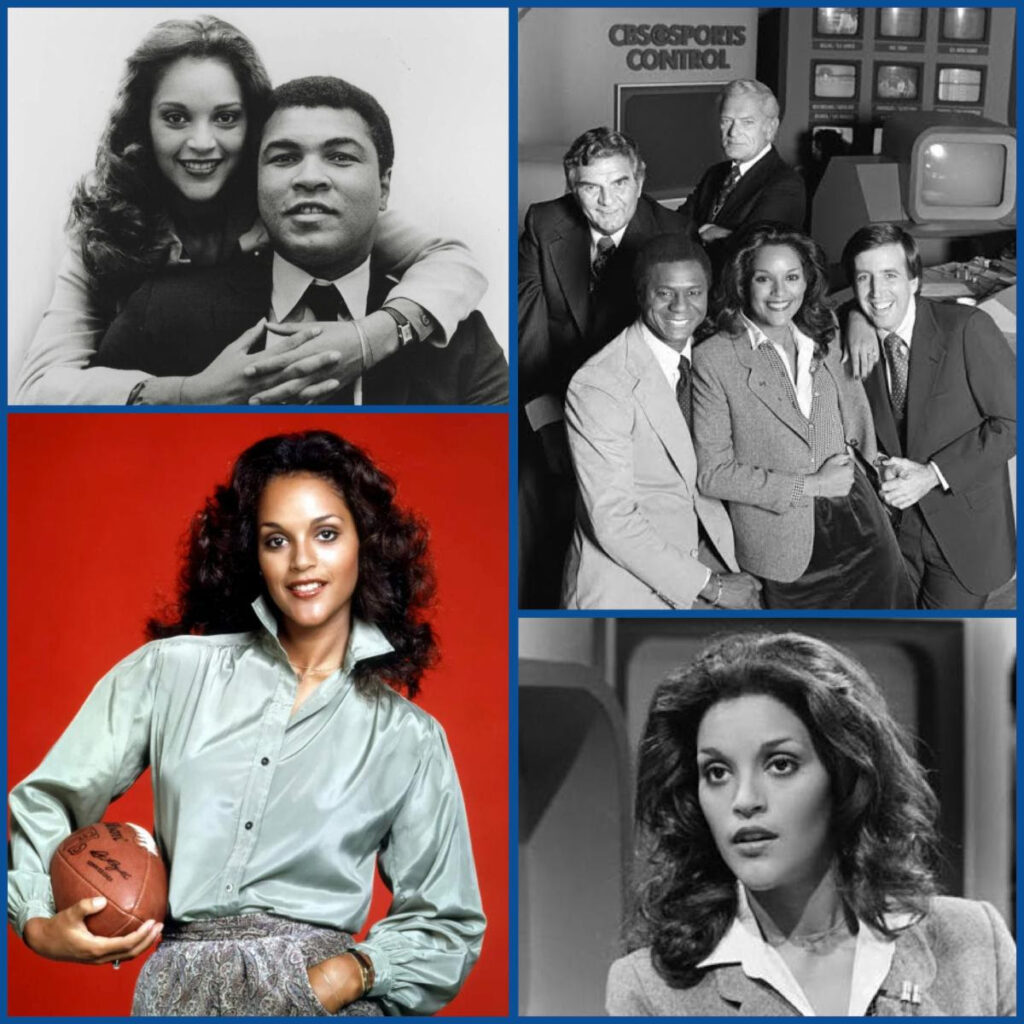
There’s this moment early in The NFL Today where CBS is panicking about not having a post-fight Muhammad Ali interview, and you’re still the newcomer. How did you end up being the one who saved the day?
I was only in my second week on The NFL Today. Some people didn’t even want me there yet. Ali had fought, and the next morning, they’re in the office saying, “We can’t possibly go on air without a post-fight interview. NBC and ABC are going to have theirs. We cannot be the only network with nothing.”
I said, “I can get you the interview.” They looked at me like, “Who are you?” I said, “I’m the woman who can get you the interview. Put me on a jet, send me to New Orleans, and I will bring you back the interview tomorrow morning.”
They did. I flew down, got the interview, and they aired it on Sports Spectacular and cut a piece for Sunday morning. Monday at 7 a.m., the phone rings: “Jayne Kennedy?” I said, “Yes.” They said, “Your contract has been picked up for the entire year.”
When you asked me my favorite interview, I joked about Terry Bradshaw because he’s crazy, but I have to say, Muhammad Ali. That interview changed my life. It’s one thing to be on a show; it’s another to be the person who delivers the thing everyone says is impossible.
Ten Years of Misery…
In the book, you don’t just talk about the glory years; you also describe “ten years of misery” when you stepped away. How did you come out of that season?
It was ten years during which I felt like my dream had been taken away. My salvation was my family—my husband and my four daughters. I dove into being the best mother I could. Everything else was behind me. I didn’t know if I would ever go back into acting.
My girls were doing basketball, baseball, soccer, swimming—everything—and I was there for all of it. A lot of their friends started calling me “Mama Jane.” I didn’t have a job; everybody else did, so I became the one who could take them where they needed to go. I helped some of them get into college on full scholarships, and I take great joy in that.
But inside, I was miserable. One day, I was driving to the market and saw a church with a yellow light coming out of it. I could hear the choir. I did a U-turn. I went in, sat in the back until rehearsal was over, and I told the pastor, a total stranger, everything I was going through. He said, “Let’s do lessons twice a week.” After about six weeks, he told me, “You haven’t learned to forgive yourself.” I had never thought of that. I went home and sat with it.
When I went back, the church was boarded up. The next week it was gone. I never saw him again. I believe he was an angel who was sent into my life for a purpose. Once I realized self-forgiveness was the answer, I could go forward.
Why Now — and What Comes Next?
There’s also the question a lot of us had: why this book now, after all this time?
I’ve been gone for thirty years. This is my comeback. I decided I would write the book and, alongside it, come back and do television and feature films. I’m still working on that part, but it’s one step at a time. The first step was to get the book produced—that was going to be my doorway back into the industry.
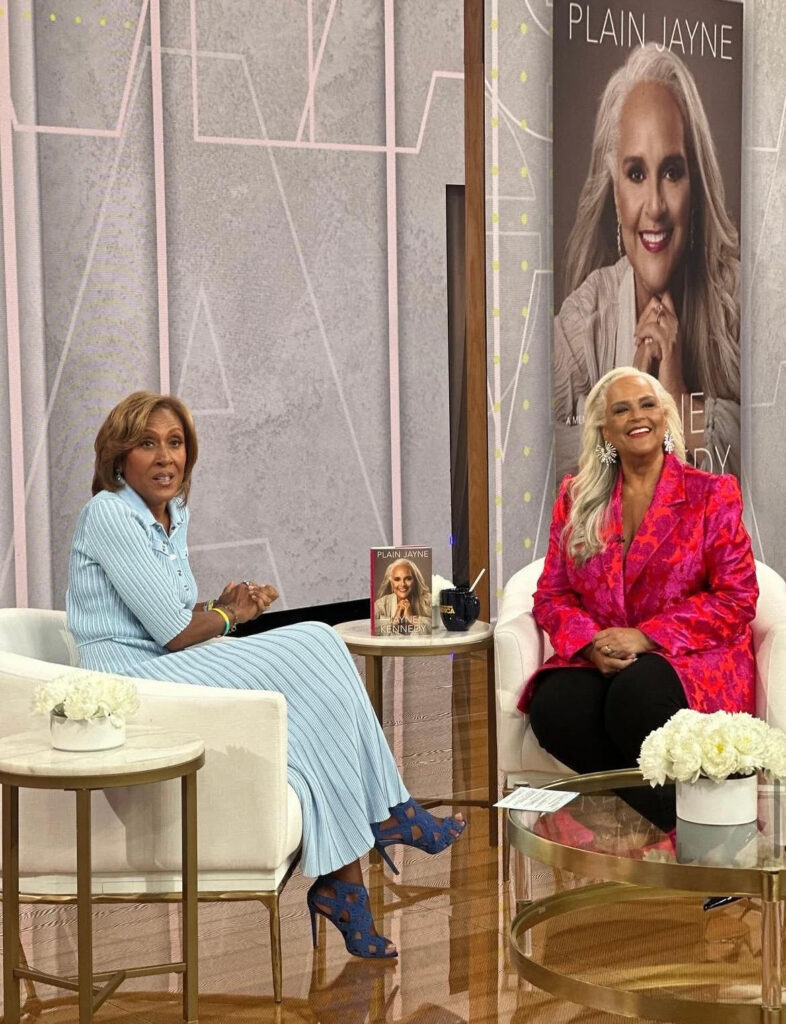
It wasn’t easy. I’d been turned down by forty-two publishing houses. Everybody said no. I called Robin Roberts just for advice. I said, “I can’t find a publisher. Do you have any suggestions?” The next morning, she was on television saying, “I talked to Jayne yesterday, and she can’t find a publisher. I think that’s absolutely ridiculous.”
Someone at Disney Books saw that, tracked me down, and called to say, “We want to look at your book.” I would never have thought that one phone call would get me a deal. Sometimes things happen because you make that little bit of extra effort.
Business, Scent, and Sustaining the Comeback…
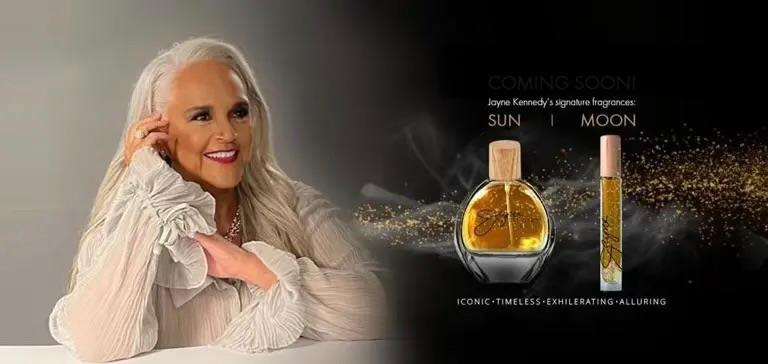
You don’t just have a memoir out—you’re also building a business around your name. Tell me about that.
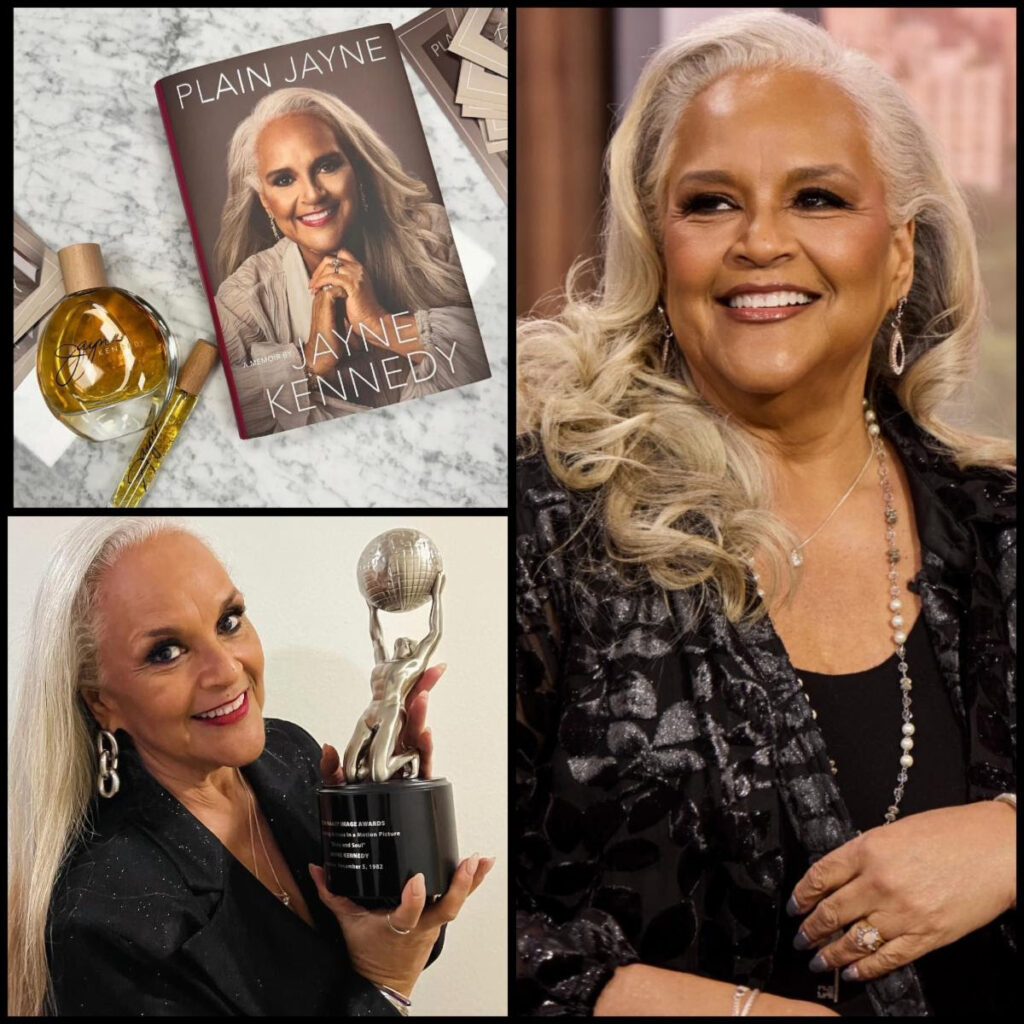
I wanted to make sure the business end was taken care of. I launched a fragrance line the same day the book launched: Jayne Kennedy Sun and Jayne Kennedy Moon. They’re built on things I’ve experienced in my life, so when you put the fragrance on, it’s like a part of me.
We’ve also got T-shirts and hoodies. I have to support this comeback. I don’t have as many years left as I did when I was 20, so I have to dig in and do everything I possibly can.
Seeing Herself Through Different Eyes
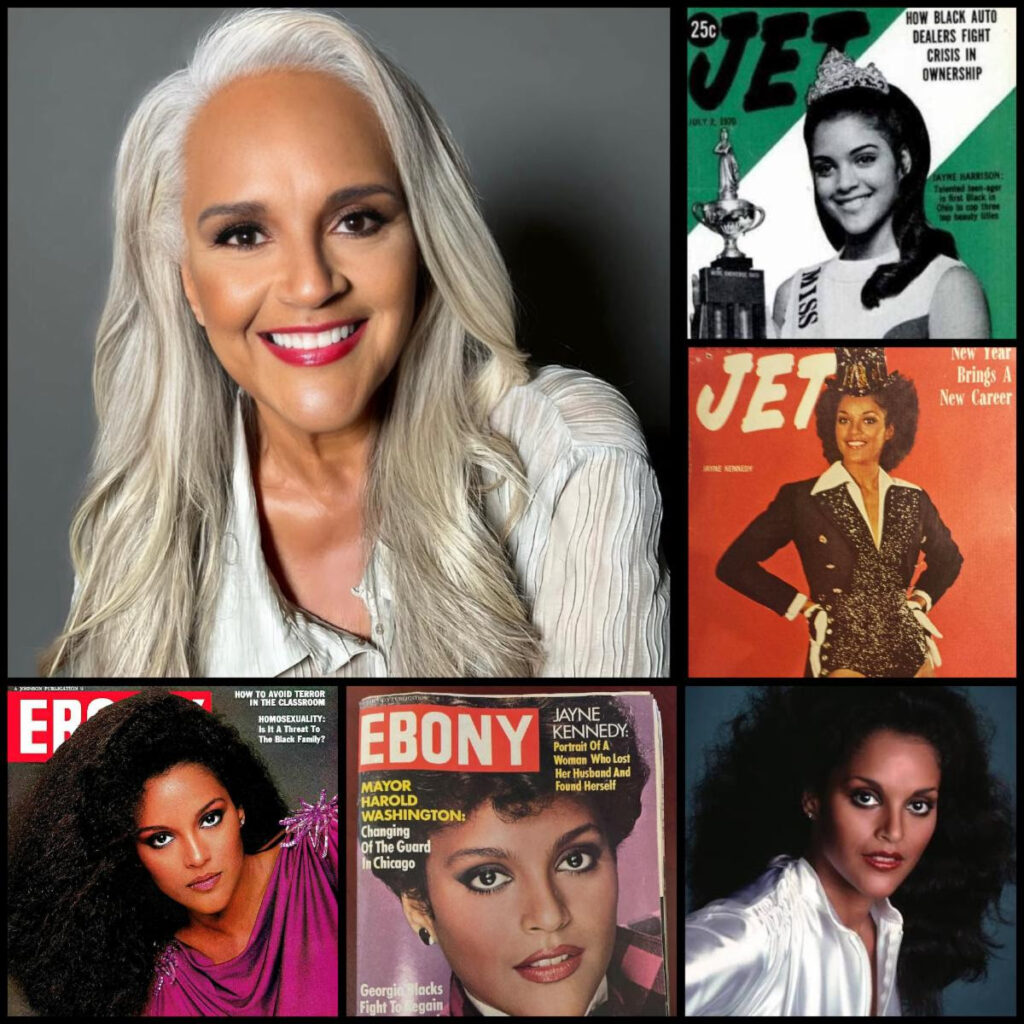
You’ve said that back then, with only three networks and Jet and Ebony as the primary Black outlets, you didn’t fully grasp your impact. Now you’re here in Chicago, driving past the old Johnson Publishing building, talking to a new generation. How do you see yourself and your legacy differently today?
Back then, we didn’t have social media. We didn’t have a hundred channels. We had three networks, and for Black people, we had Jet and Ebony. I often felt like the only one in my lane, but I didn’t see the ripples while they were happening.
Now I have women come up to me and say, “I did this because of you. I got this job because I saw you.” That still blows me away. I drove past the old Jet building here in Chicago and just sat with that for a minute, because Johnson Publishing saved my life in a lot of ways. They put images of us in the world when nobody else would.
So I’m enjoying this ride now because I get to see myself through their eyes, not just through my own self-critique. I can be proud that I helped crack the door, and also excited that so many Black women have walked through it and made it wider than I ever could have alone.
“Find the Things You Love”
After everything—being out front, stepping back, writing the book—what’s the message you want readers, especially young Black women, to walk away with?
When I talk to young girls, I tell them, “You have to get to a point where you believe you can do anything.” I tell my daughters that all the time. You can do anything, but if you don’t like it, walk away. You don’t need to burn that energy. Find the things in life that you love, and that’s what you pursue.
In the book, you see all the challenges I went through. I started not doing that. I wrote a fairytale version of who I am, and when I read it, I said, “This isn’t my truth.” If I were going to publish this book, I wanted to make sure you would see parts of me you never knew, and parts I never knew were there. It became a healing process for me.
When people read it and say, “Oh my God, I never knew,” or “You helped me so much,” that means more to me than any rating or trophy. The book was my healing, but it’s also my way of saying to the next generation: you’re allowed to dream big, you’re allowed to make mistakes, you’re allowed to forgive yourself, and you’re allowed to start again.
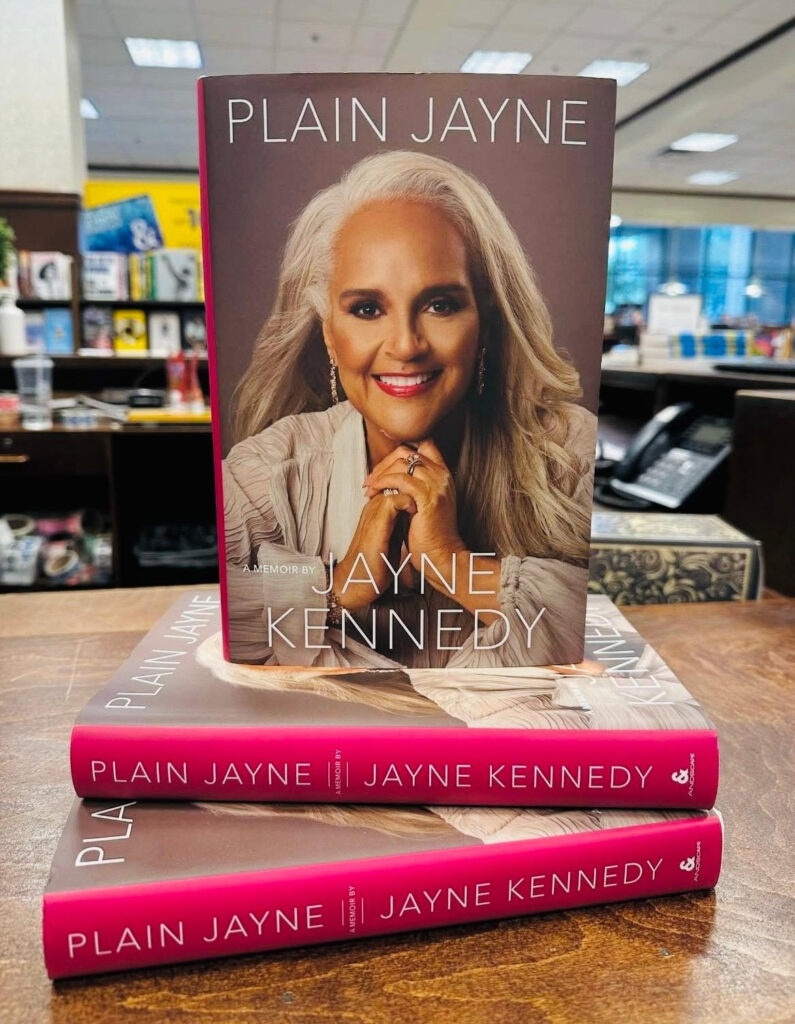
You can find Jayne Kennedy’s memoir, titled “Plain Jayne”, published by Andscape Books at several major book retailers and digital platforms. It’s available at Target in Hardcover format. On Amazon, it’s offered in multiple formats, including hardcover, Kindle e-book, and Audible audiobook versions.