
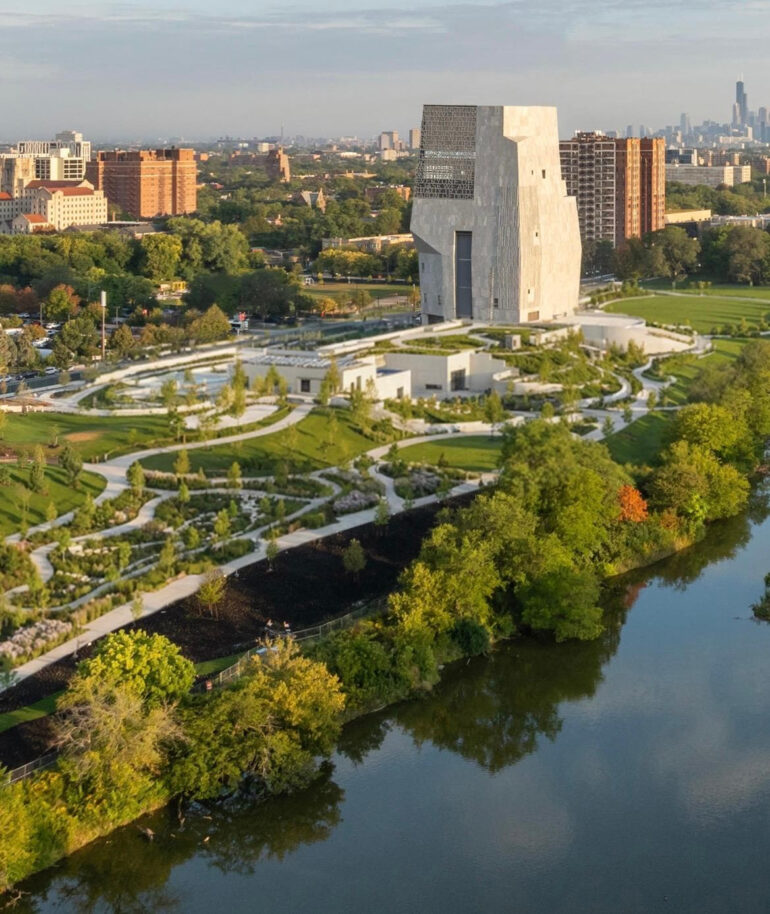
I recently had a sneak preview of the Obama Presidential Center, set to officially open on June 19, 2026—Juneteenth, a date that alone signals the Center’s deeper purpose. This is not simply a presidential library. It is an experience, a statement, and, in many ways, a presentation about America’s ideas and experiment. It is at 6001 Stoney Island. Admission is $30. https://www.obama.org/visit/
At a cost approaching $850 million, it is the most expensive presidential library ever built, spread across a 19.3-acre campus on the South Side of Chicago. To meet the formal definition of a library, a branch of the Chicago Public Library is included. But make no mistake—the Obama Center is far more than the story of the Obamas. It is a gathering place, a civic space, and a cultural landmark designed for weddings, graduations, community events, celebrations, civic gatherings, lectures, and reflection. Many will come to be inspired with new ideas, politicians will come and write, scholars will come to research, seniors will call to remember, and the media will come to record and document.
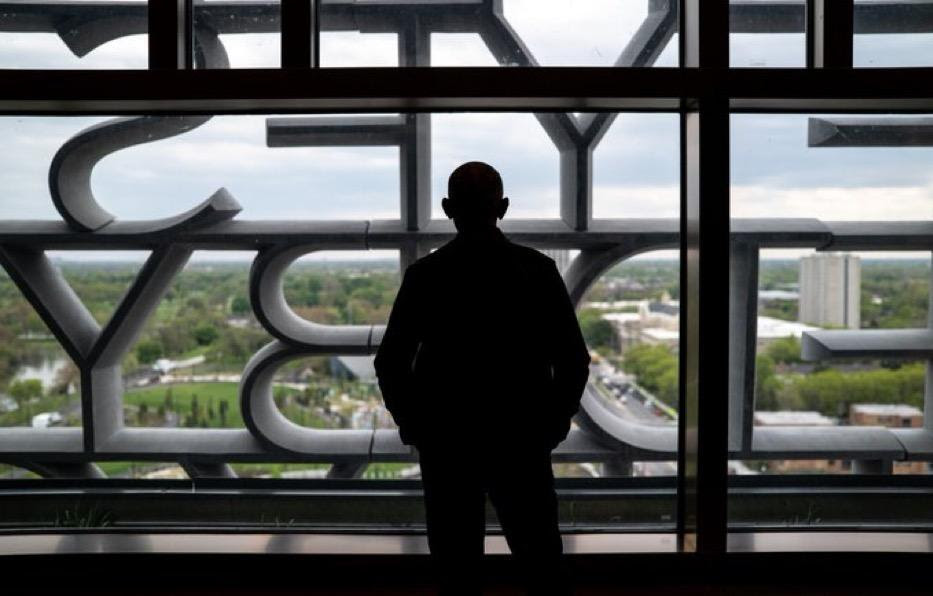
From the upper levels of the main building, the view alone tells a story. You see the South Side in its fullness—stretching toward downtown, overlooking the Museum of Science and Industry, the Lakefront, and Hyde Park, Woodlawn, and South Shore neighborhoods. This is not incidental. This is the geography of Michelle Obama’s childhood and the professional and intellectual home of both Obamas near the University of Chicago.
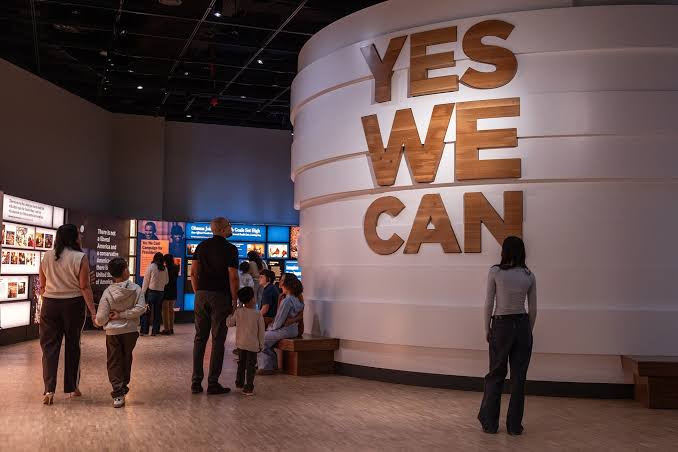
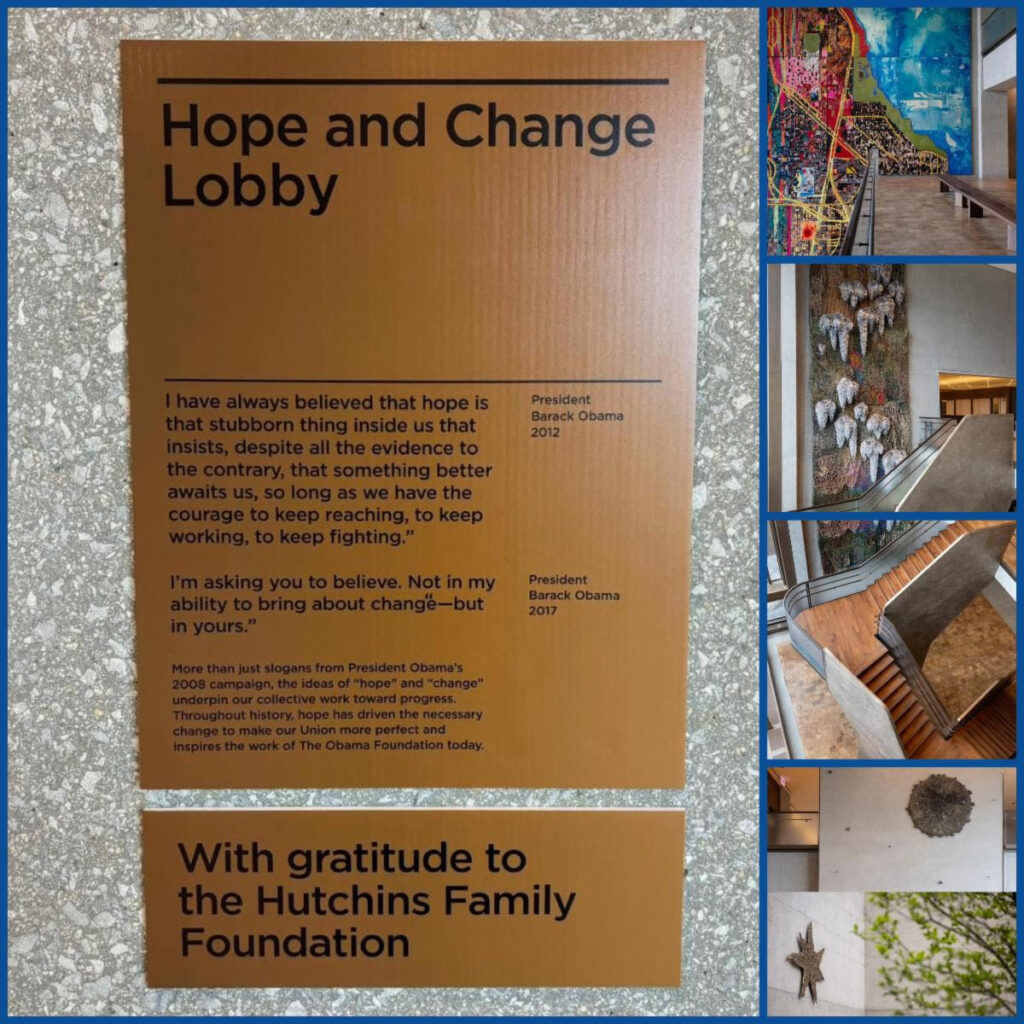
The location carries emotional truth—this is where their story began. “Yes, We Can.” It is noteworthy that the Center is across from the Hyde Park Academy High School and down the Midway from The University of Chicago. The Center is designed for inspiration and motivation. It even has classrooms and a media center.
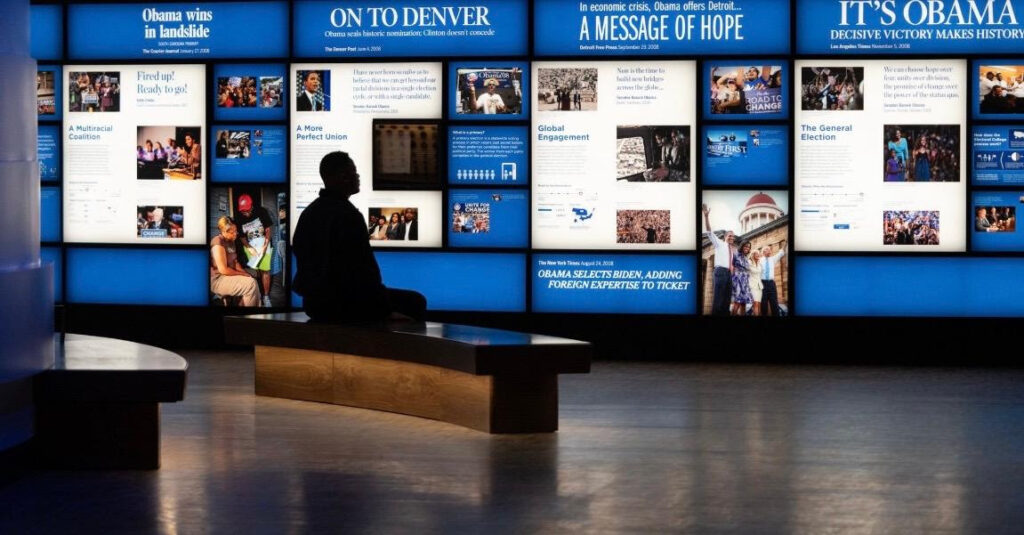
Inside, the Center is immersive. Exhibitions feature high-tech innovations. It is politics. It is memory. Exhibits trace the rise of Barack Obama from state senator to President, with vivid displays of campaigns, speeches, and governing moments. You see Emil Jones, then the President of the Senate, guiding Obama on the Illinois Senate floor. You see the dresses of Michelle Obama that defined a First Lady’s global presence. You can even sit behind a replica of the President’s desk, with a duplicate of his Oval Office, a symbolic invitation to imagine yourself in power.
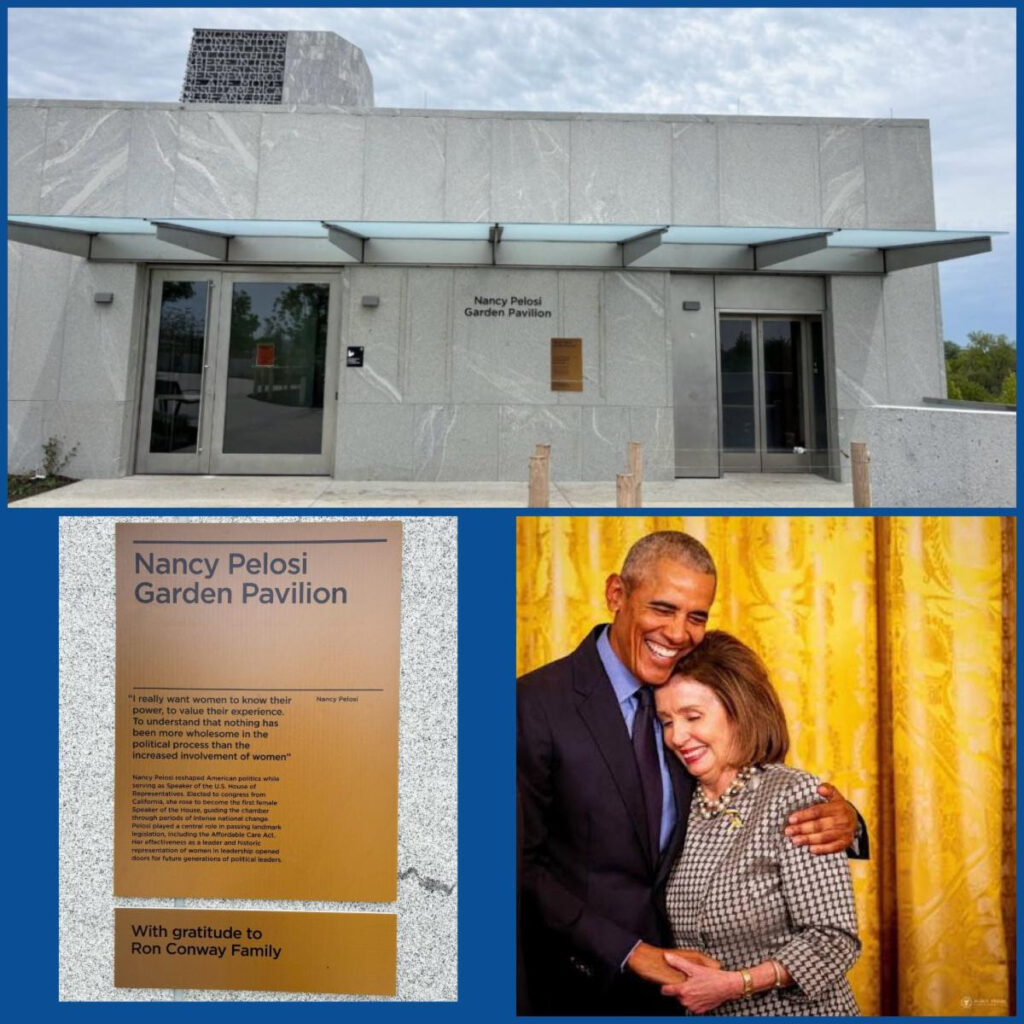
In storytelling, it is strongest when it widens beyond Obama himself. The Center frames democracy as struggle and movement: women’s suffrage, civil rights, and legislative milestones. There are spaces honoring figures like John Lewis and Nancy Pelosi, connecting the Obama years to a broader continuum of American change.

And yet, for all its power, the Center is not complete.
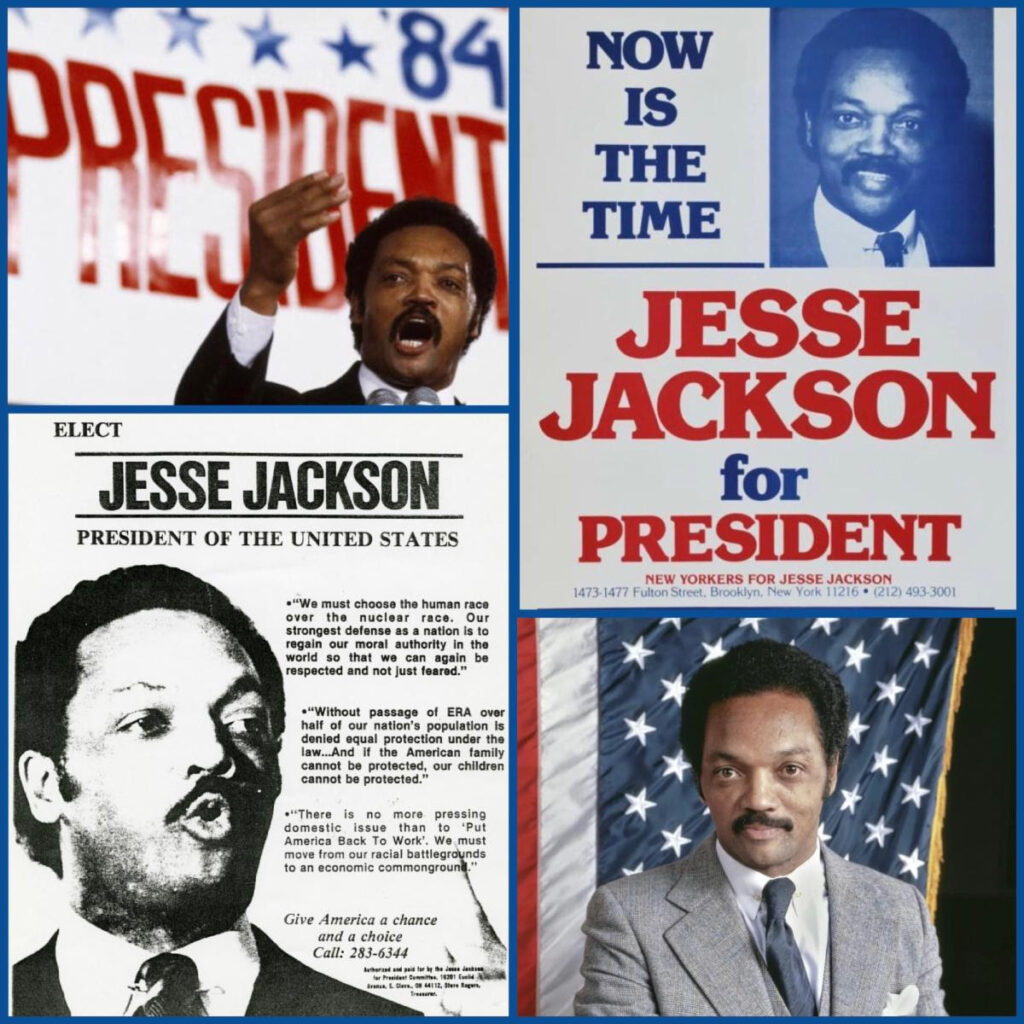
There is a noticeable absence—one that cannot be overlooked or excused. The story of Jesse Jackson is insufficiently told. His presidential campaigns in 1984 and 1988 reshaped America’s political landscape, building the multiracial coalition and national viability that made Obama’s presidency possible. To tell the story of Obama without fully recognizing it is to leave out a critical chapter in the evolution of political power in America. Jackson changed America’s democratic party.
History demands continuity. It cannot be curated selectively based on comfort or convenience. If this Center is to stand as a beacon of democracy, it must fully acknowledge the shoulders upon which it stands. As we record history, we cannot be personal, arrogant or ignorant of the true happenings.
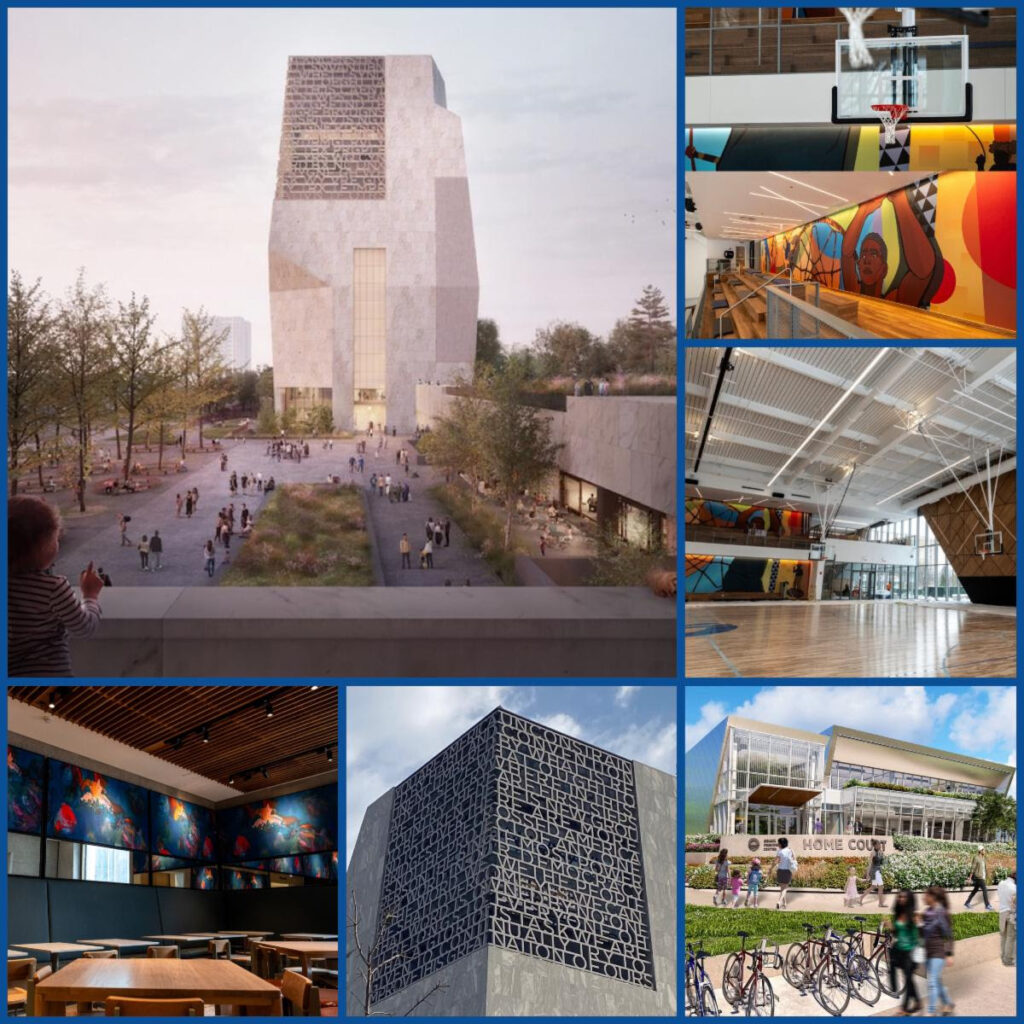
The Obama Presidential Center is remarkable. The auditorium is world-class. The grounds invite community. The cafes—even down to Mrs. Robinson’s red beans and rice dish — add warmth and humanity. The “walk of democracy,” with its digital storytelling and campaign moments, is both inspiring and, at times, emotional. For those who lived through the Obama years, it can feel almost surreal—like walking through your own memory.
The OPC will change Chicago. It will bring economic energy and cultural gravity to the South Side. But more importantly, it challenges visitors to think about democracy—not as an abstract idea, but as a lived, contested, evolving reality.
This is a place where history speaks. The only question is whether it will tell the whole truth.
At $30 a ticket—and free on Tuesdays for Illinois residents—it is accessible. It is meaningful. And it is, without question, a must-see.
But like democracy itself, it remains a work in progress. In Obama’s words, he leads by example, “Be the change you are looking for”.