

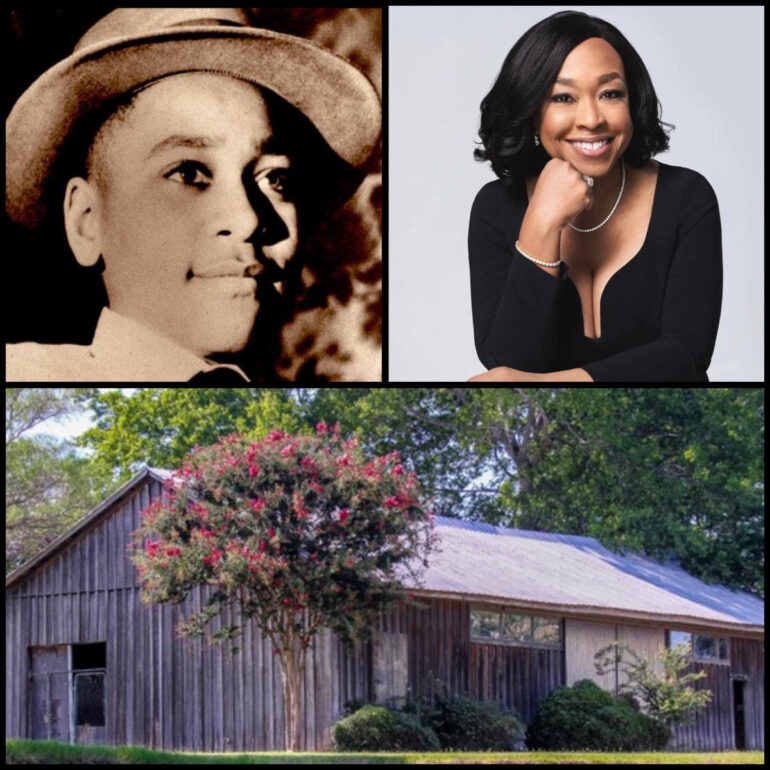
The barn where Emmett Till was killed is being turned into a monument. A place you can visit. A place where you can stand in the very spot where terror consumed a 14-year-old boy from Chicago.
Producer Shonda Rhimes has provided $1.5 million to make this possible. And while I understand the historical significance of such a site, I find myself wrestling with mixed emotions. Who visits the barn and what are they told? The story is not only of Emmett’s death but it also a story on how white men got away with murder.
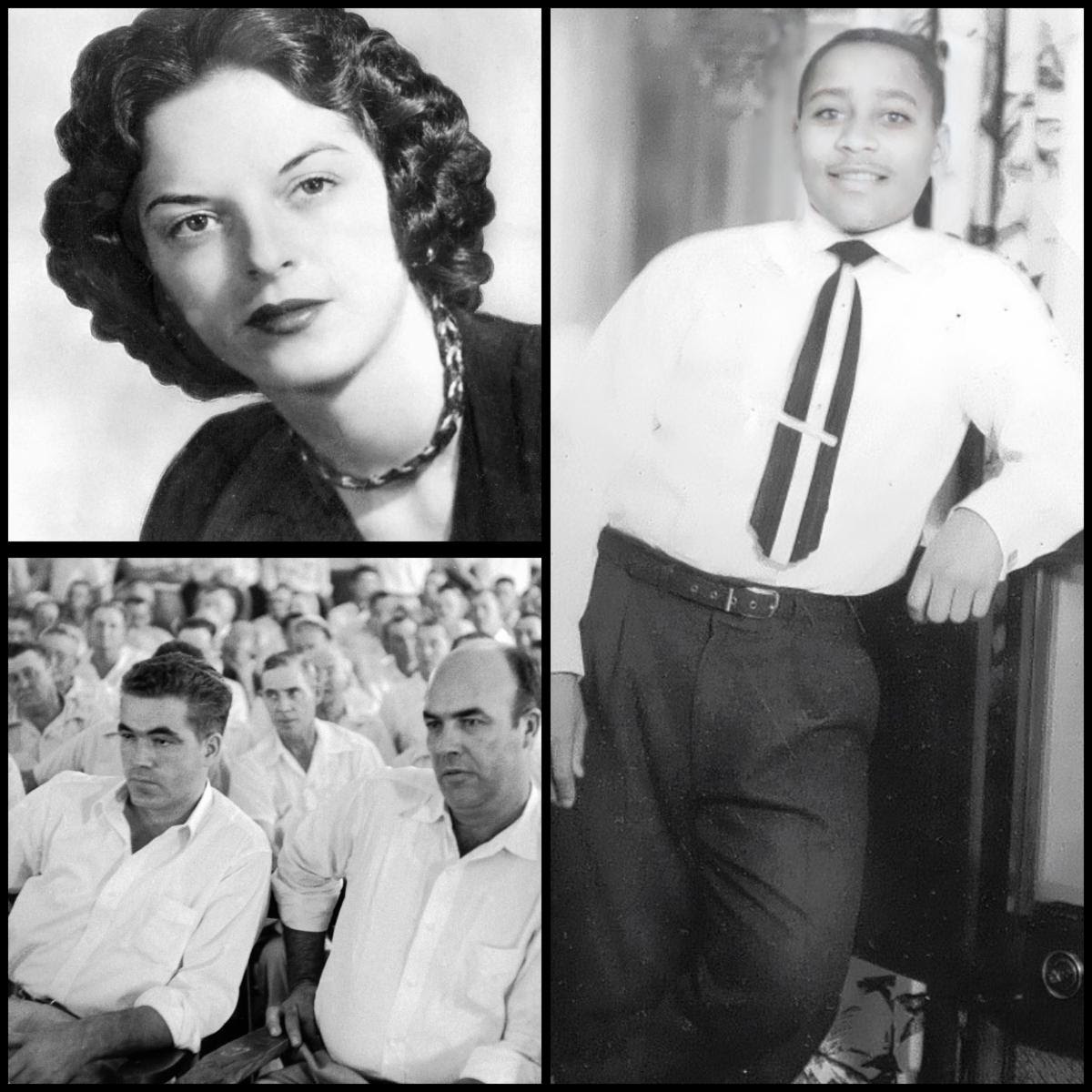
You might recall the story: Emmett Till, a bright, lively teen, visiting relatives in Mississippi in 1955. The myth, the lie, the spark of tragedy was that he “whistled” at a white woman, Carolyn Bryant, in a grocery store.
In the Jim Crow South, that was deemed a cardinal sin. The white store owner, Carolyn’s husband, Roy Byrant, and his associates came for him in the dead of night, dragging him from his bed under the guise of teaching him a lesson.
That “lesson” was pure horror and terror. He was tortured, beaten beyond recognition, and ultimately murdered. His body was thrown into the Tallahatchie River. The world knows the rest: an all-white jury, a white judge, white lawyers — and a verdict of “not guilty.” The killers walked free. Later, with casual boldness, they told Look Magazine they had indeed murdered Till. Reportedly, they were paid $5,000 for their tell-all story.
New information suggests as many as 14 white men participated in that night of horror. And before her death, the white woman (Carolyn Bryant) at the center of the story confessed she lied.

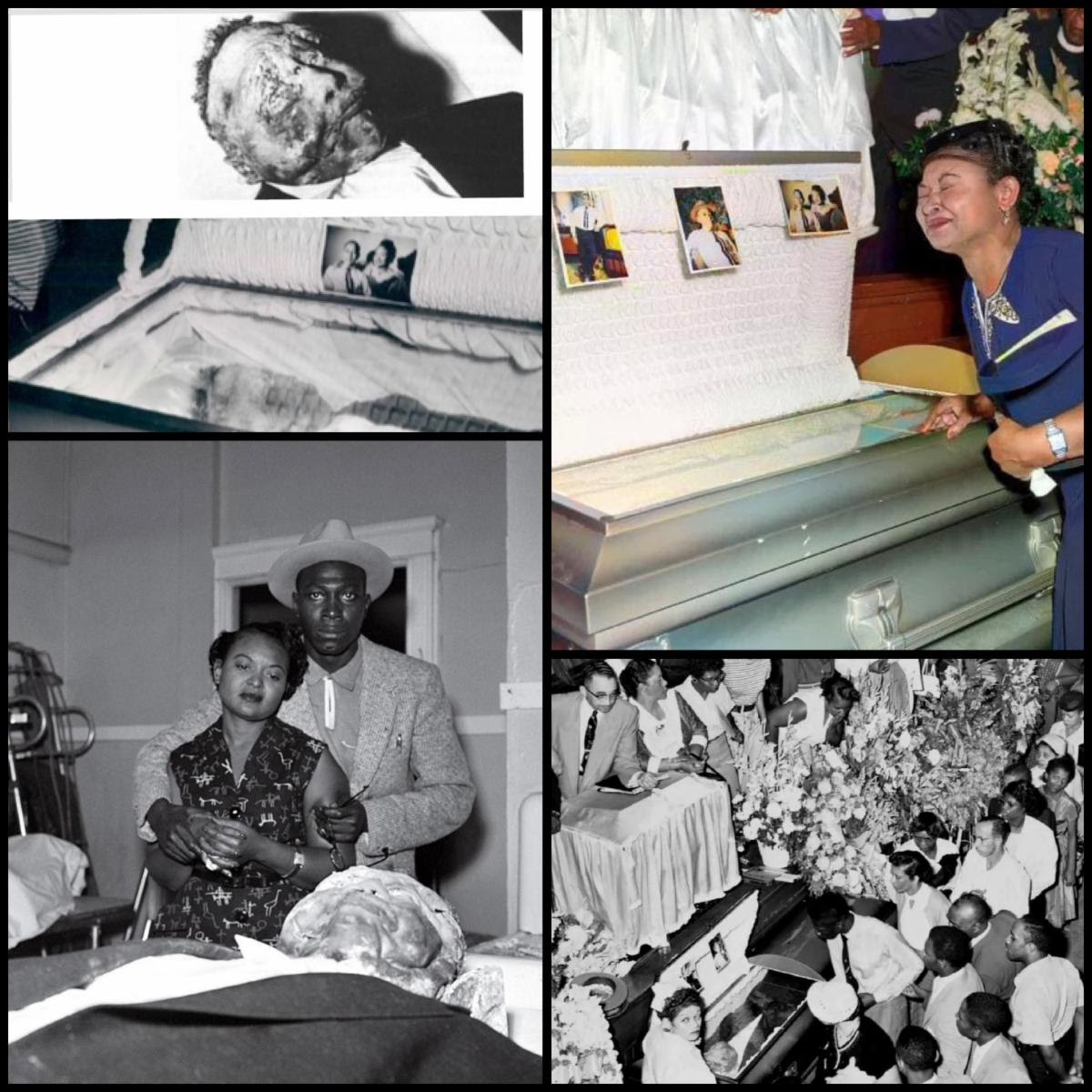
Emmett Till’s murder was not in vain because his mother, Mamie Till-Mobley, made a courageous, heartbreaking choice: she left her son’s casket open. She forced America — and the world — to confront what had been done to her child. On the top-selling Jet Magazine,Till in the casket was shown. And it was the Chicago Defender who broke the story. That image became a symbol, a warning, and a testament. It seared itself into the Black American consciousness, shaping generations. It inspired Rosa Parks, who later said she thought of Emmett when she refused to sit on the back of the Montgomery bus. His death, as brutal as it was, helped ignite the modern Civil Rights Movement.
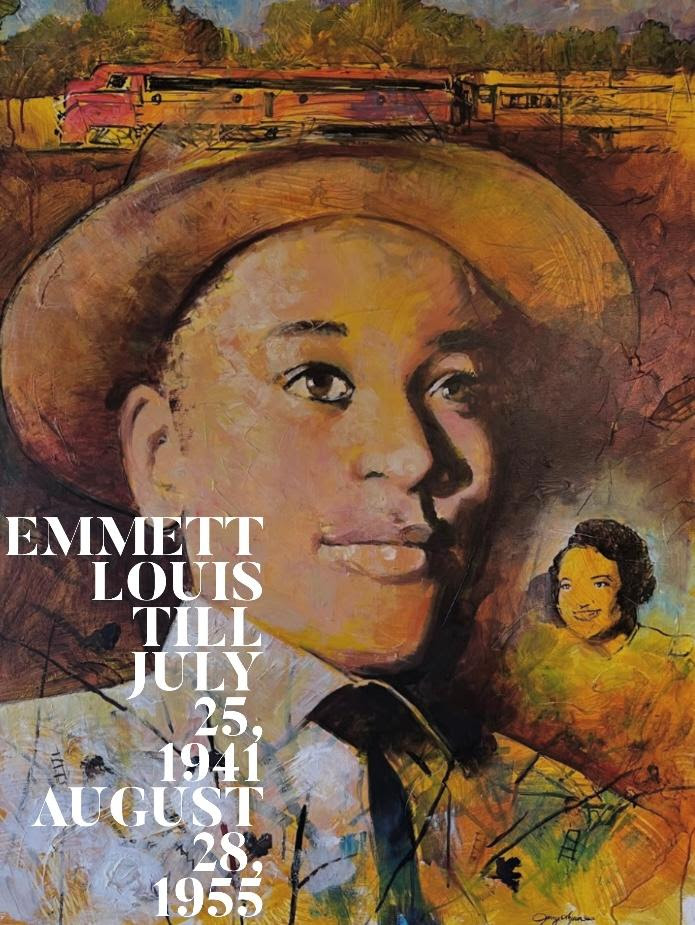
There is no question that Emmett Till should be remembered. He must be remembered. His story is foundational to understanding racial violence in America. His story is the epitome of America’s racism. But I find myself asking: Do we really want to visit the barn?
Do we need to walk the floors where his final screams echoed to honor his legacy? Will they picnic on the barn grounds?
Memory is sacred. Memorials are essential — but trauma tourism is not. There is a delicate balance between teaching history and re-living it, between honoring a life and fetishizing a death. As we turn the barn into a monument, we must be careful not to turn the boy into a spectacle again.
Let us build spaces of learning, of reflection, of reckoning — yes. But let us also create spaces that uplift, that show the joy Emmett had, the promise he held, the life he lived before the violence. A monument should humanize, not sensationalize.
We owe Emmett Till remembrance. But the Till story is also a story of racism and how whites got away with murder.