
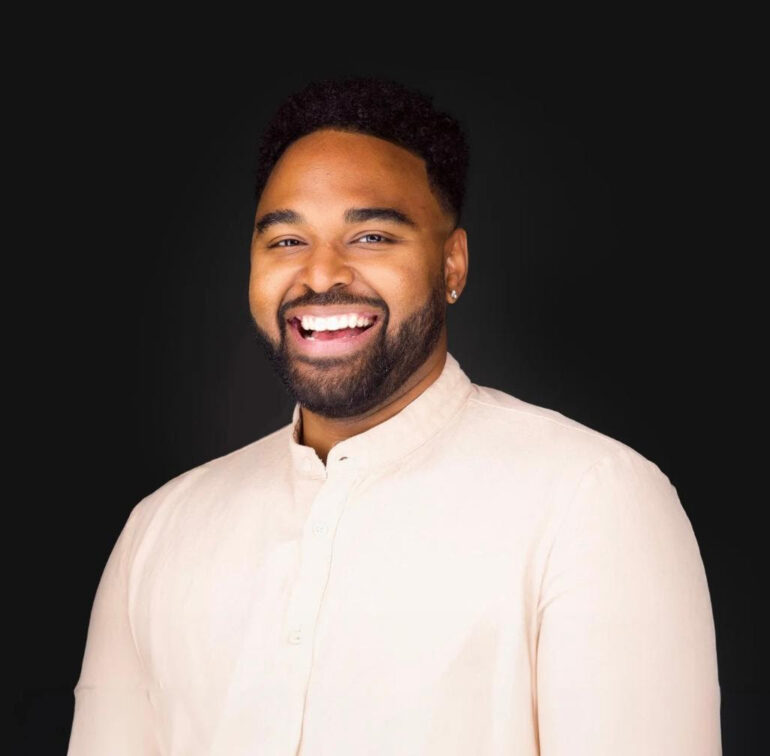
Troy Osborne Pryor, founder of XL Fest’25 in Chicago, brings together industry professionals, providing an immersive experience. From thought-provoking panels to film showcases, XL FEST aims to celebrate the power of storytelling through the captivating art form of cinema.
Troy has spent the better part of two decades not just navigating the entertainment industry as an actor and producer, but reshaping it. A media producer, host, and visionary strategist with the innate gift of connecting with diverse audiences, Pryor built a legacy rooted in access, authenticity, and audacious innovation. As the founder of Creative Cypher, an expansive network of ventures including XL Fest, Pryor crafted a new kind of power structure in entertainment that champions BIPOC creators and bridges overlooked talent with mainstream platforms.
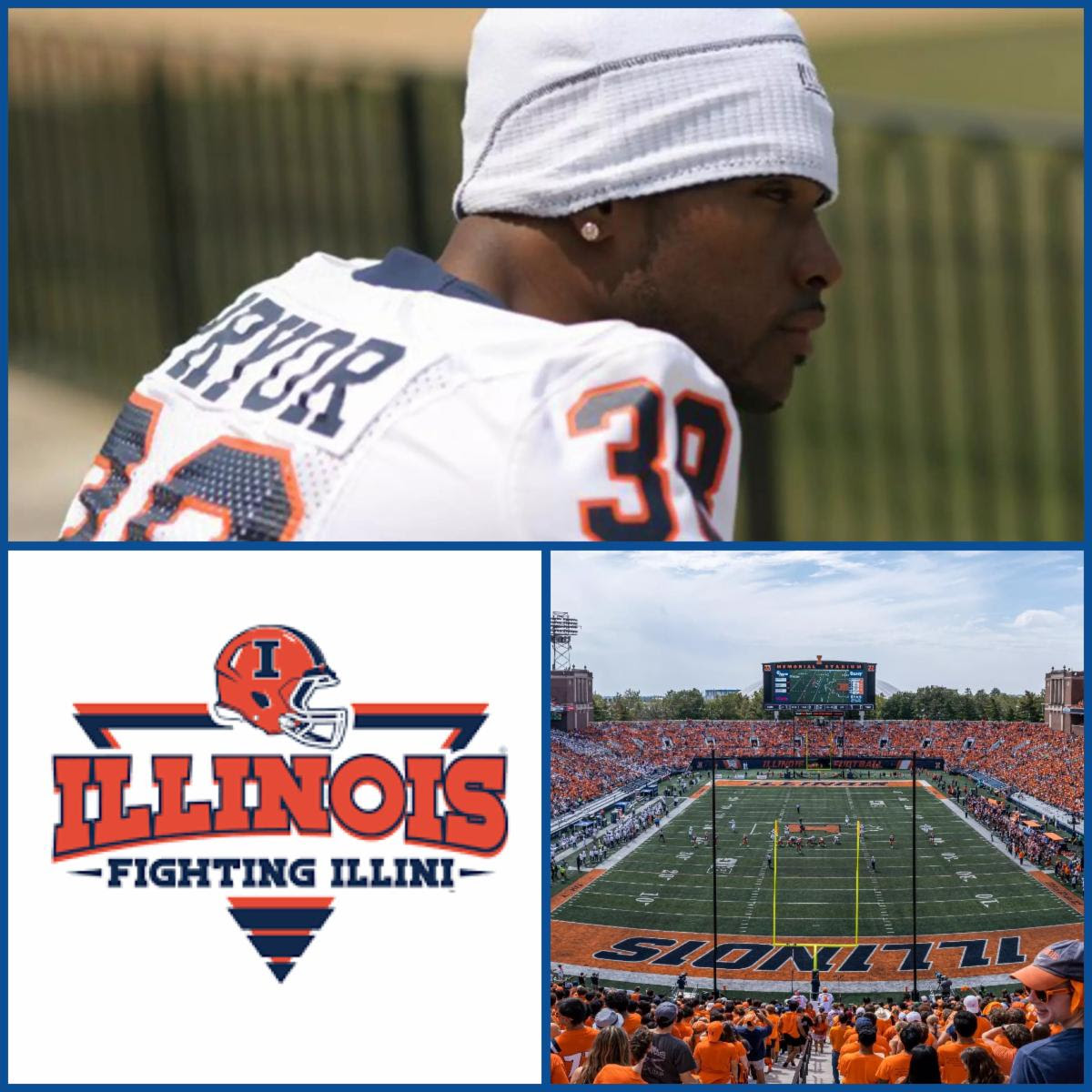
A proud son of Chicago and former linebacker at the University of Illinois, Pryor was also the youngest person ever elected to the SAG-AFTRA Chicago Board and a mentor for President Obama’s White House initiative, A Call to Arts. Recognized by Chicago Scholars, Black Enterprise, and Ariel Investments as a game changer and visionary, he remains grounded in his purpose—mentoring and paving the way for the next generation.
As the founder of XL Fest ’25, Pryor is shifting power in the film industry by building a festival rooted in community and real opportunity. We’re grateful for the chance to sit with him and talk about his work and what makes this year’s festival so impactful.
Reggie Ponder, The Reel Critic: You claim Chicago, but spent time in Atlanta—so which city are you rockin’? To be clear, are you rooting for the Bears or the Atlanta Falcons, the Sox or the Atlanta Braves, or the Chicago Sky or the Atlanta Dream?
Troy Pryor: I appreciate that. I was born and raised on the south side of Chicago, but I spent about a quarter of my life in Smyrna and Marietta, Georgia. So most of my summers were spent in Atlanta. I didn’t experience many Chicago summers because I would travel to the south in the summer. But it gave me my foray into the entertainment industry. Atlanta played a huge role in my upbringing. But it’s Chicago all day. You don’t have to worry about that. Oh yeah, I’m going with the Chicago Sky.

Reggie Ponder, The Reel Critic: You were a linebacker at the University of Illinois. How did that athletic background prepare you for your work in the entertainment industry?
Troy Pryor: It played a huge role in my life. I was a linebacker at the University of Illinois, and I was also on the powerlifting team. So playing two sports not only gave me a drive and an initiative, but a work ethic and time management—a toolbox that you have no choice but to have when you’re a student athlete. It also gave me a greater perspective on things when I became a talent in the industry because it was very reminiscent of being a player. And then I became a coach at a certain point, a strength and conditioning coach for some time. So the idea of being the player turned coach was very similar to the talent. Being an athlete played a pivotal role as I navigated the entertainment industry.
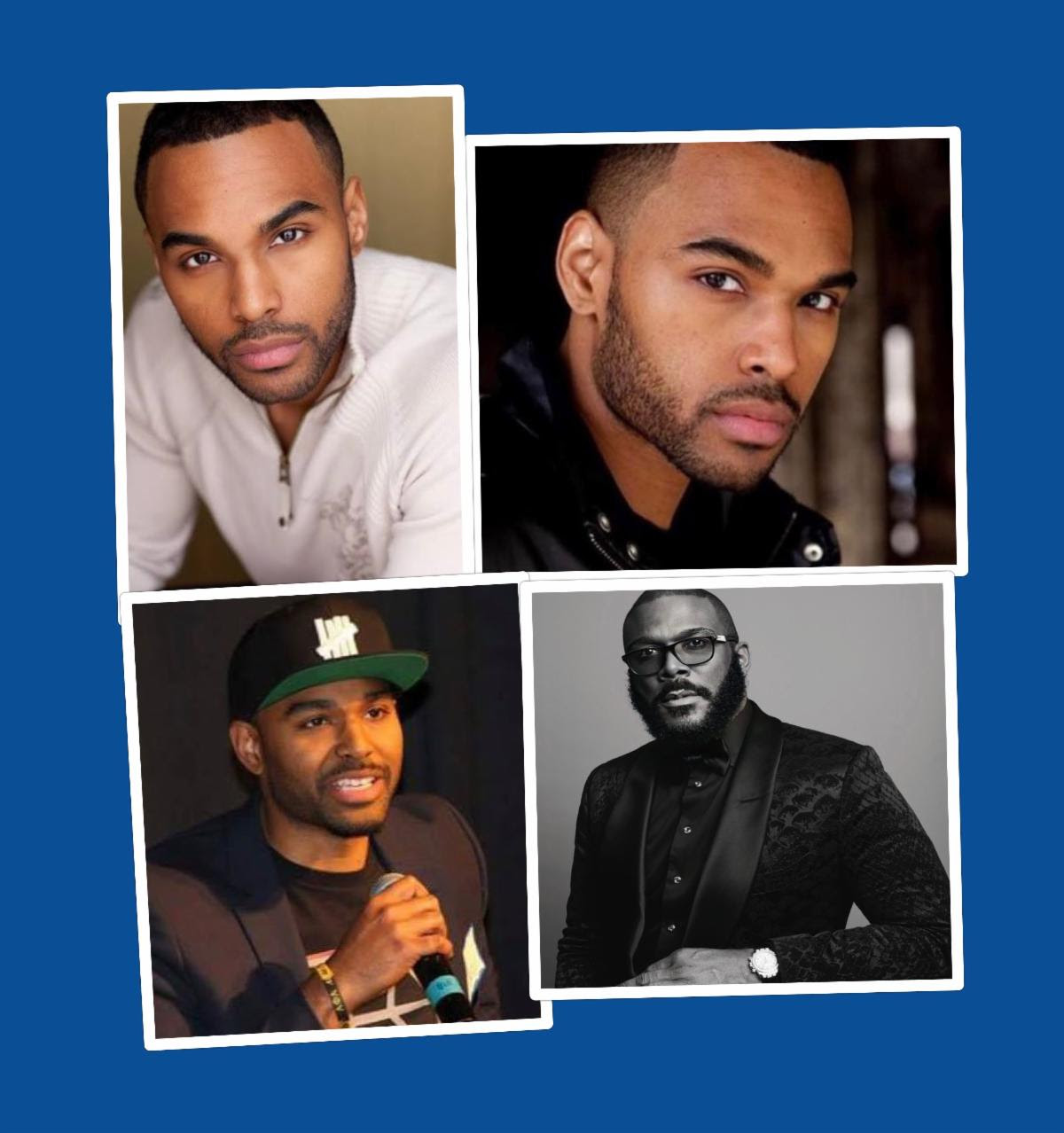
Reggie Ponder, The Reel Critic: Talk about the chance meeting with Tyler Perry and how it impacted your career path.
Troy Pryor: Actually, that was in Atlanta. He was filming “Daddy’s Little Girls,” and they were doing a crowd scene at an apartment complex that my family managed. So they called a bunch of us and said, “Come down and be extras.” So I signed up for that. This was my sophomore year in college. I’m a linebacker, so that’s what I’m focused on. And at this time, for those that are listening, there’s no NIL. So it’s not like you’re getting paid; you’re an athlete. That’s what you do. It wasn’t like, “yeah, let me try this out.” It’s like, “No, you’re going back to go train.” I went and did the extra gig, and the next day I got a call from the extras’ casting director that Tyler wanted to meet. We had a meeting, and he was wondering if this was the type of industry that I wanted to pursue. And I said, “You know, respectfully, I don’t even know what that means right now.” I had just come back from two major knee injuries and a wheelchair and walked onto the U of Illinois football program. That means I tried out and made the team. There was very little anybody could present to me that would make me move away from that path. And I said at this point, the NCAA only allows you a certain amount of time to be a college athlete. So at that time, having not invested in entertainment in any shape or form, there was no way I would find anything that would detract me from football. He said, “I respect that. I’ve got some cousins who played college ball. I understand the level of dedication for it.” And I’ll never forget, he said, “I’ll be making movies for a long time.”
Reggie Ponder, The Reel Critic: But the dude calls you for a private meeting, so that doesn’t happen all the time.
Troy Pryor: See, hindsight is 20/20. I’m 19 at this time. I don’t know anything about this. I’m completely green. I was an extra; it wasn’t like I auditioned. So these are not things that were really in my wheelhouse at the time. I knew that I was going to finish my degree, number one. My family’s huge in education, so there was no way that I was going to leave and start doing a play, and there’s no way after going through what I just went through with my knee that I was going to abandon that. I prayed to God. I said, “If you let me run again, I’ll keep going until I can’t.” That’s what was going on through my head. It wasn’t about declining or anything like that. It was I just prayed for something and I received it. So I gotta enjoy it now.
Reggie Ponder, The Reel Critic: So you said Tyler Perry told you he’d be making movies for a long time. What was the moment you came back to that conversation and decided to pursue an entertainment career?
Troy Pryor: What that did, however, was when it was clear that I wasn’t going pro, sports would be over for me after I graduated. When I came back to Chicago, I signed with an agency and started my voiceover career in TV and film. Because of that meeting, I thought back and I said, “Maybe there’s something here.” Let’s try this out. I used to be the beard model for hair care companies, and that got me into the print modeling space, which got me into on-camera commercials and voiceover. It became this full circle moment, but it stems from that seed that had been planted, that this might be another pathway if sports don’t work out.
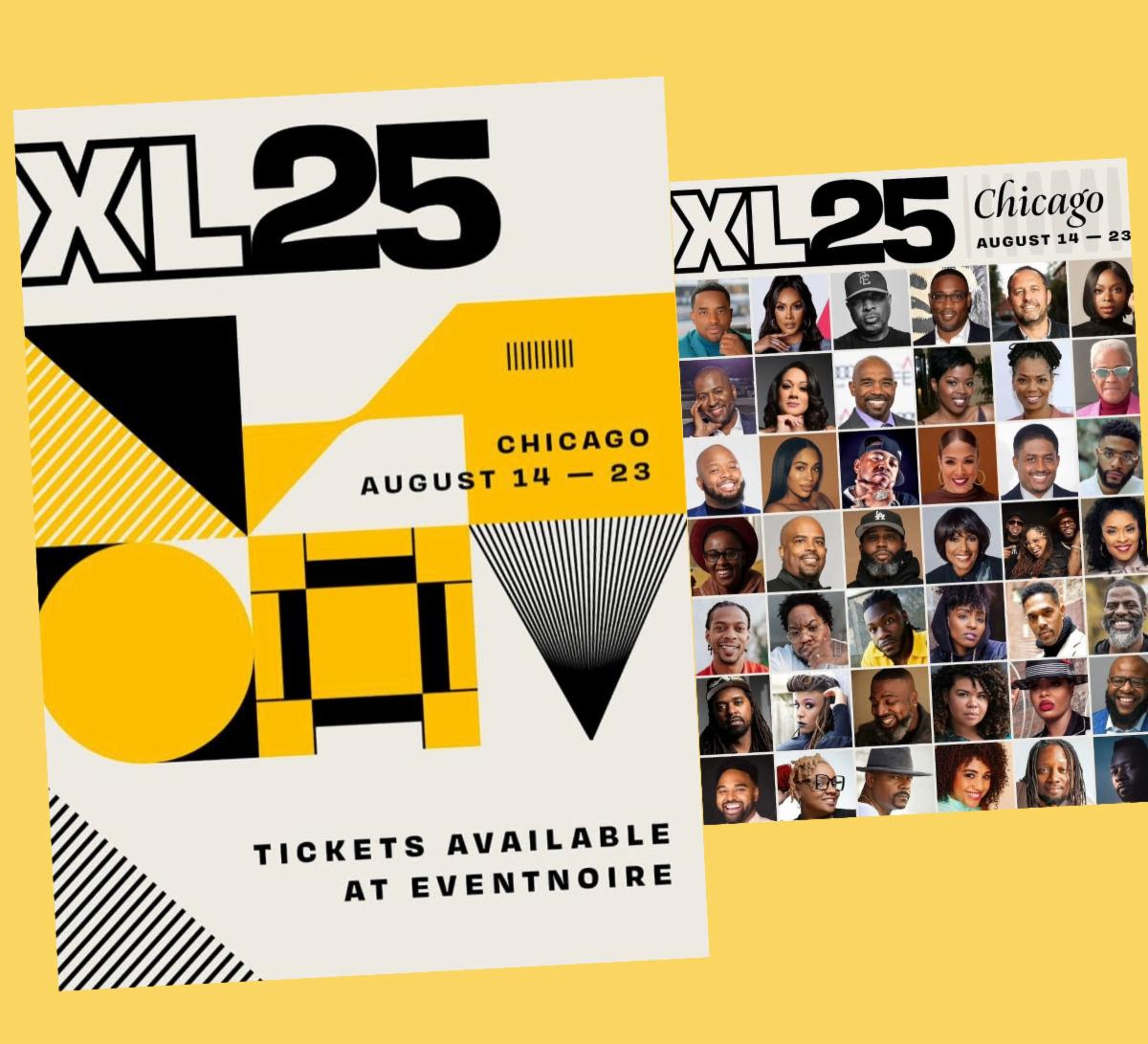
Reggie Ponder, The Reel Critic: So let’s talk about the XL Fest. The festival circuit is crowded. What makes XL Fest different, especially here in Chicago?
Troy Pryor: Specifically in Chicago, we’ve become a marketplace. Last year, we had several streaming platforms license content directly from our festival, and those case studies have now become valuable selling points for why creators want to be a part of the festival. The other big thing is that our partnership with the University of Chicago and Hyde Park businesses is at a time where two major festivals no longer exist, meaning the Silver Room Block Party and Hyde Park Fest. This provides an opportunity for XL Fest to scale into a tourism attraction. So you’ll start to see more and more businesses and other entities involved in the festival beyond just the film space. Those are two critical aspects that differentiate what our festival is about. Besides, a lot of what you’ll see at XL Fest are things that have been proposed to other festivals that have been around for a long time, that just weren’t executed on. So we said we’ll do them ourselves. We started with Robert Townsend, and then from that point, the snowball just started to roll.
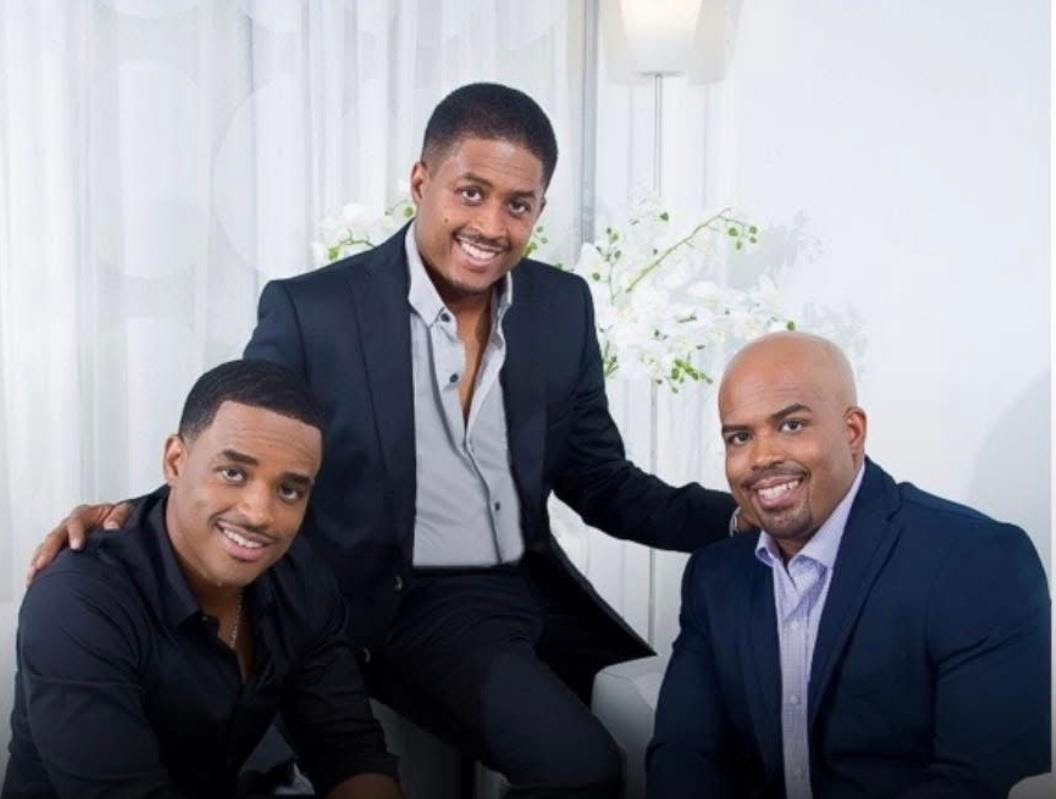
Reggie Ponder, The Reel Critic: Talk a little about your partners—like the Tate Brothers, the University of Chicago, and the Obama Foundation. How do these collaborations elevate what you’re doing?
Troy Pryor: Well, it completely elevates things, and it also becomes a proof point. Robert Townsend in year one obviously elevated the profile, and that allowed other people to see what we are doing over here. The Tate brothers came in last year as our main speakers, and they got an inside look at this grassroots effort. They, like others, have always wanted to invest at home and to bring things back home. A lot of folks who have done very well in Chicago have always wanted to come back, but they needed an authentic vehicle for that. So when they were our speakers last year, they got a chance to see how this was being designed and built. They’re the ones responsible for bringing on the streaming platform that licensed that content. As our conversations evolved, we started to identify a number of ways that we could collaborate. Some of the talent that’s involved this year is directly the result of the Tate Brothers making the ask and bringing those folks out, as well as some of the brands involved, and we’re really grateful for that. This really calls out is that there is a desire for folks to bring programming back to Chicago. Chicago has produced so much talent and exported so much talent for generations. It’s time to make sure that we’re truly uplifting and celebrating that at home.
Reggie Ponder, The Reel Critic: You talk about creating a “new kind of power structure” in the industry. What does that mean, and why is it so important to you?
Troy Pryor: It is all about access. I grew up in the pulpit, so I come from a family full of clergy, and I’m used to seeing strong black men, community leaders, entrepreneurs, and for me, I knew that whatever I got involved in, there would have to be a bigger purpose behind that. And so being a talent got me in the industry, and that was a great entry point. But eventually, you start to look at the scripts you get. I can recall vividly looking at the copy for voiceover, wondering who wrote it and who approved this, and why. After a while, you start to look at the industry a little bit differently. Like, wait a minute, I’m the last person who gets paid. I don’t make any of these creative choices. I have no say on how this media impacts the individuals who are going to be digesting it. And from what I see, I don’t see too many of us making those decisions. So to me it’s not just about the power in the creative process, it’s understanding how media impacts how we connect with one another, view one another, and how it impacts society. The only way that we can get to a point, in my opinion, where we eliminate the need for permission is to own the supply chain, which is another thing that I saw with Tyler. His business acumen is undeniable. I said if we want to get to a position where you’re not asking somebody for permission or waiting to be liked or cast or being able to green light your own work, there has to be a moment where we’re doing for self. And so that’s what I’m referring to.
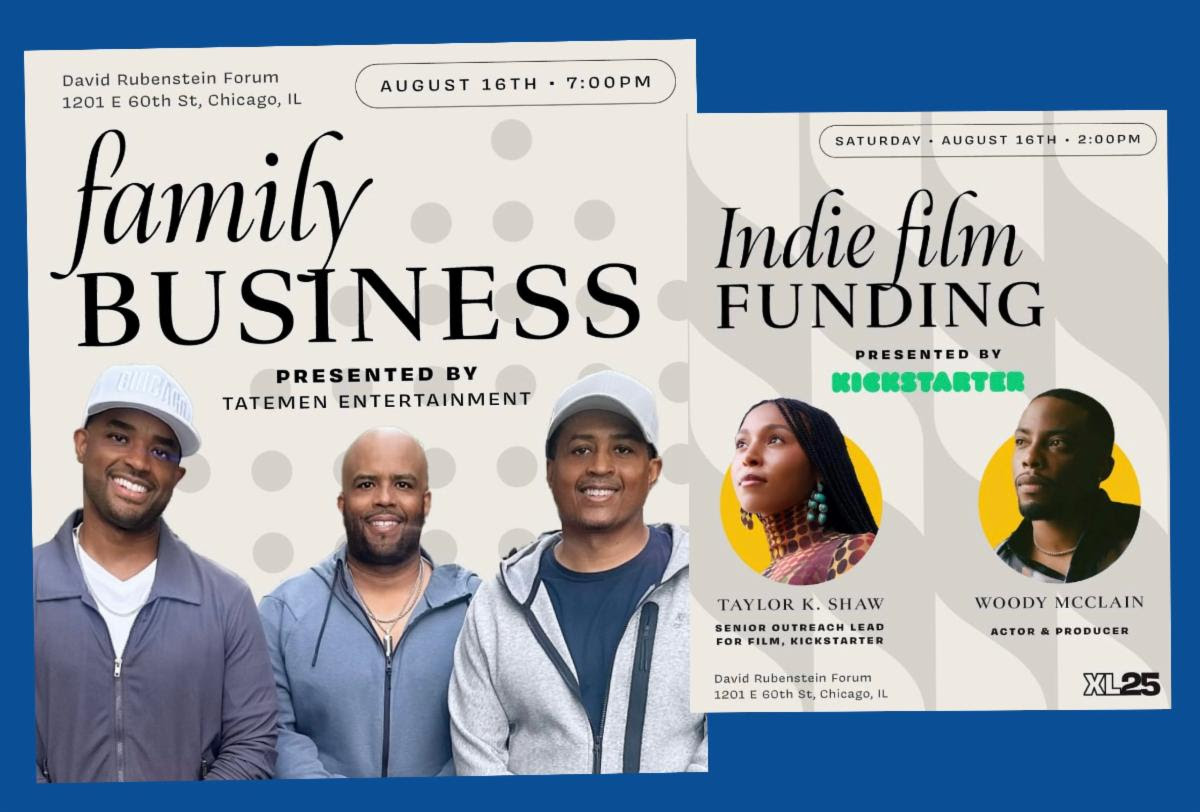
Reggie Ponder, The Reel Critic: XL Fest is an immersive experience. How do you balance celebrating cinema with educating people and providing real opportunities in the industry?
Troy Pryor: From my experience, being a talent and on both sides, being at festivals, I always say XL Fest is a big shiny object. It grabs your attention real quick. You see that and you’re like, “wow, I wanna be a part of that.” But behind all of that, it’s really about empowering our storytellers. XL Fest, in a lot of ways, is a huge fundraiser because it was born out of our development lab that we launched six years ago. It was called the Chicago Film Accelerator. That’s where XL Fest comes from. We would provide grant dollars to rising storytellers, access to showrunners, and several resources. And when they finished their projects, we would celebrate them in these showcases. Those showcases did really well. “Well, why just end with a one-off showcase? Let’s identify a way to place these projects at our partner festivals.” Those festivals were cool, but oftentimes, even if they were Black-targeted, we weren’t necessarily running them. So there were some cultural gaps which led to us saying, “Let’s just launch something and do a test run of it.” It just so happens that our main speaker was Robert Townsend in the first year.
Reggie Ponder, The Reel Critic: So what about those distribution deals? How did a specific deal prove the festival’s impact?
Troy Pryor: We were able to see five filmmakers come out of our festival last year who streamed on AMC+. They came back and said, “Hey, that content over-performed, and we’re going to come back and offer you a multi-year deal.” One of those projects did so well that on the opening night of our festival, that same film had an event in LA at the same time. What I’m calling out is that those projects could have easily slipped through the cracks anywhere else, and it’s important to have the right team in place. We see all the time when talented individuals just don’t get that opportunity. Those projects didn’t need us to create them—they were already brilliant. We just created a platform. But if that platform didn’t exist, I don’t know where those projects would’ve landed. As a result of that work and that access, they got an accelerated opportunity. So we’re grateful to provide that.
Reggie Ponder, The Reel Critic: Can you give us a sneak peek at some of the programming and special guests we can look forward to this year?
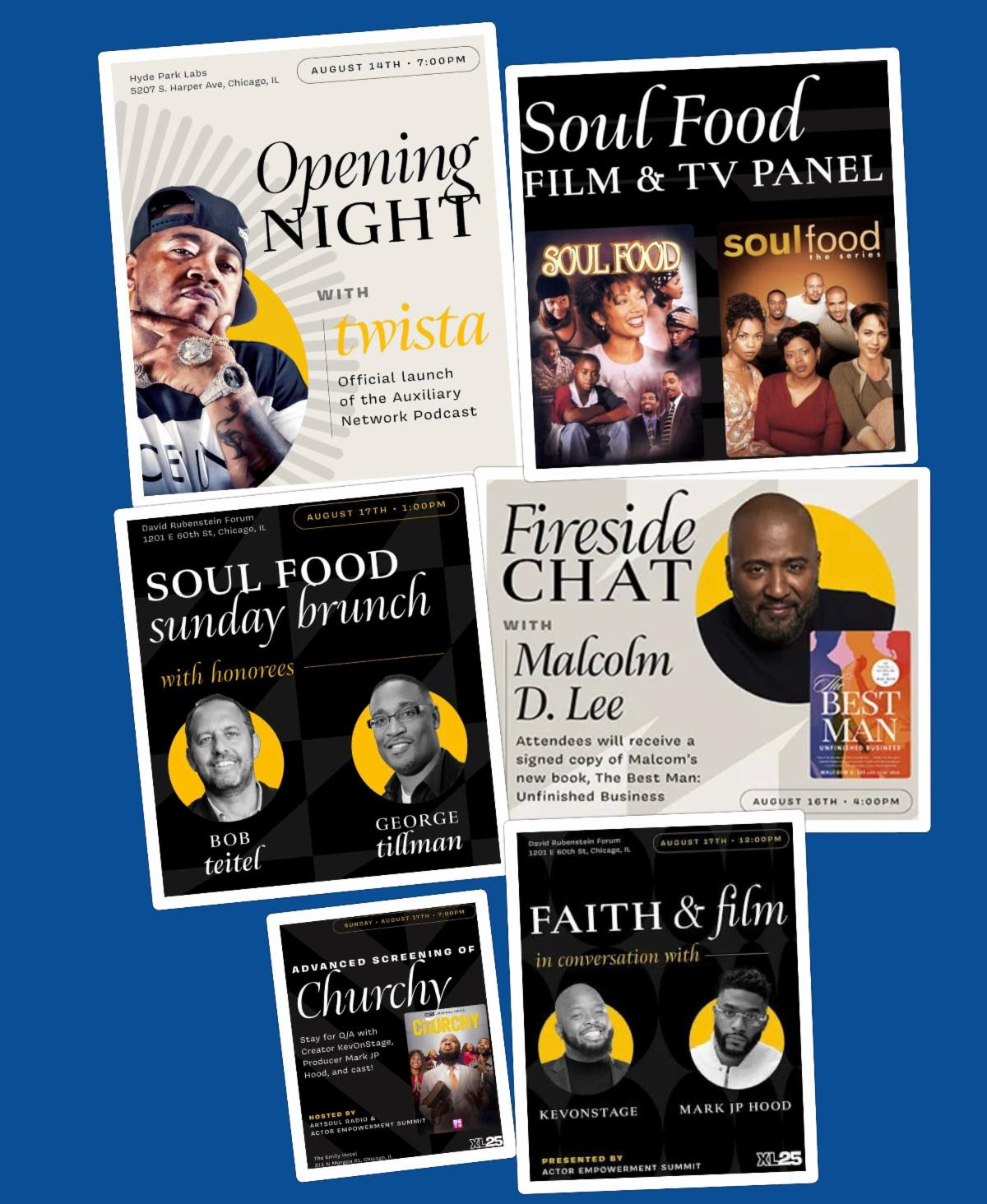
Troy Pryor: Absolutely. On opening night, we’re doing that in the Harper Court area. We’ve got our happy hour at the Sophie Hotel. We’ve got our rooftop event in the New Hyde Park lab space—that’s a very hip-hop-driven event. We’ve got a special moment with George Daniels. We’re also premiering his documentary on Friday, August 16th, so definitely sign up and come out for that. That’s going to be a legendary moment for the city. We have Chuck D closing out the festival. We have Malcolm D Lee. He has a new book out, “The Best Man, Unfinished Business,” which is the third installment in this brand that he’s built, which started with the films and then the television series, and now he has the book. The premier moment for the festivals is a celebration of the “Soul Food” brand. We are honoring George Tillman and Bob Teitel thanks to the Tates. In addition to celebrating the director and creator, we also have a conversation with the cast from the television series and cast members from the actual film that was filmed here in Chicago—a classic moment for the city, and so we want to celebrate that. We’ve got the Antoine Walker documentary premiering, and Kevonstage. Within three hours, Kevonstage hit capacity, and it is already sold out. There’s still a lot for us to learn. We’re still open to more and more collaboration, but it is very telling that we’re receiving such a response from not only attendees, but individuals who are willing to be a part of the festival. We’re so grateful for that.
Reggie Ponder, The Reel Critic: Make your pitch. Why should people come out and experience XL Fest?
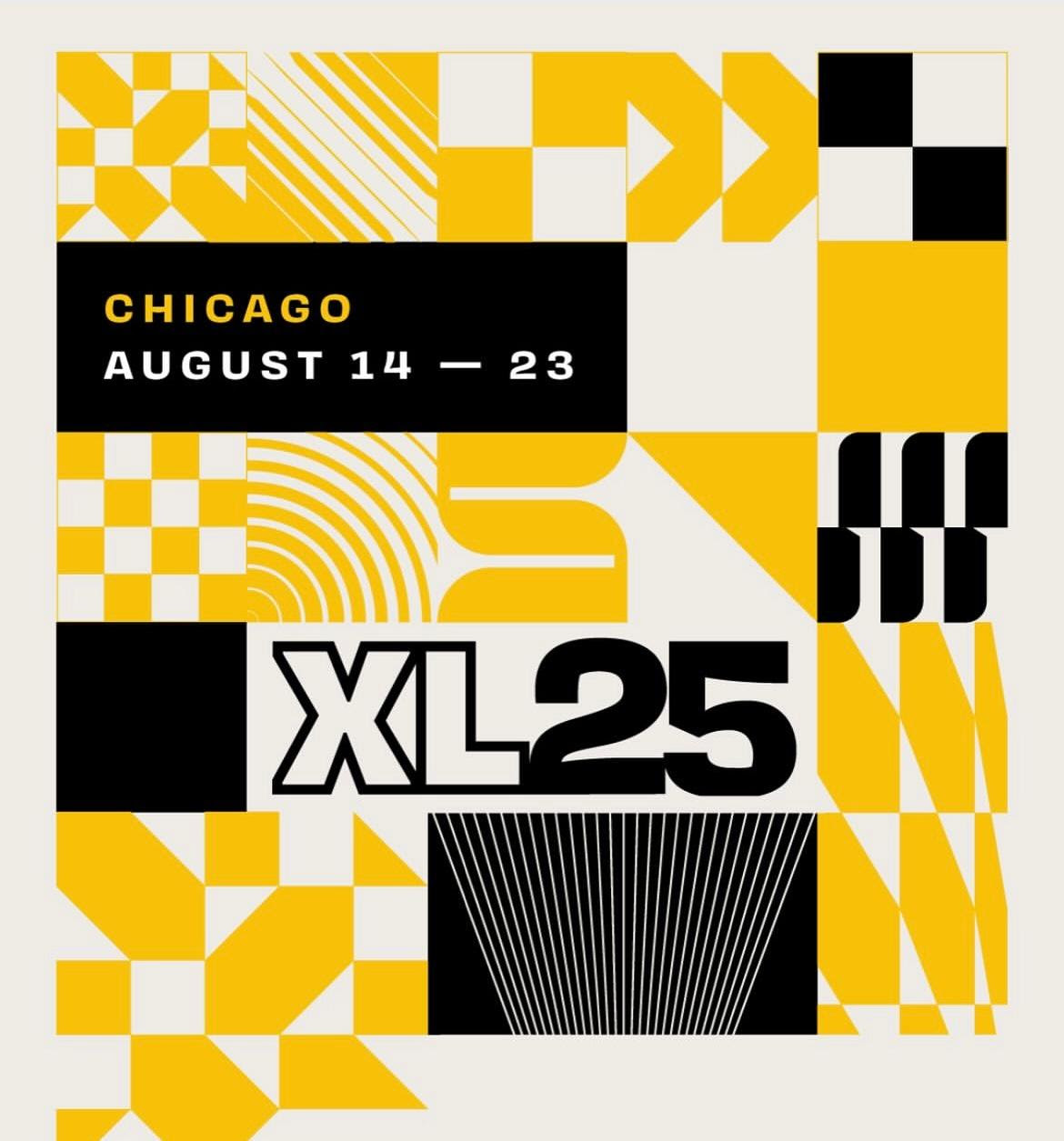
Troy Pryor: Well, the truth is, if you want to see more stories, more authentic stories, things that resonate with you, then you need to support your storytellers. You can come out and have a good time at our festival, but our festival is merely a vehicle to support our storytellers. So no complaining if you don’t see what you’d like to see on the screen or the TV if you’re not supporting it first. This is an opportunity to do that. So August 14th through the 23rd, 10 days, with the opening weekend in Hyde Park. Then programming spreads with our partners throughout the city. You can click the box below to see the whole lineup.
Reggie Ponder, The Reel Critic: Thanks, and you will definitely see me there!
Troy Pryor: Thanks, I appreciate you for allowing me to present this platform to your audience and continue to build our community. Look forward to seeing you all at XL Fest!