


I just unveiled my plans to propose the Caregivers Protection Act upon my return to Congress. In Chicago and throughout the Southland, thousands of unpaid family caregivers are quietly holding together a fragile care system. They are daughters managing medications for aging parents, spouses coordinating appointments after work, and grandparents caring for children with disabilities, all while juggling jobs, rent, and their own health.
I know. Over the last five years, I, along with my mother and siblings, have joined the family caregiver ranks. We’ve also met other caregivers and learned a lot about a vast unmet need across America. Nationally, the labor of unpaid caregivers saves our healthcare system nearly $600 billions of dollars, yet their needs remain largely invisible.
Caregivers have not received nearly enough support from policymakers for the work they do to care for loved ones at home. I intend to change that. In addition to helping with the cost of caregiving, we must be bold in how we explore new technologies that could share the burden and even provide care for the caregivers themselves.
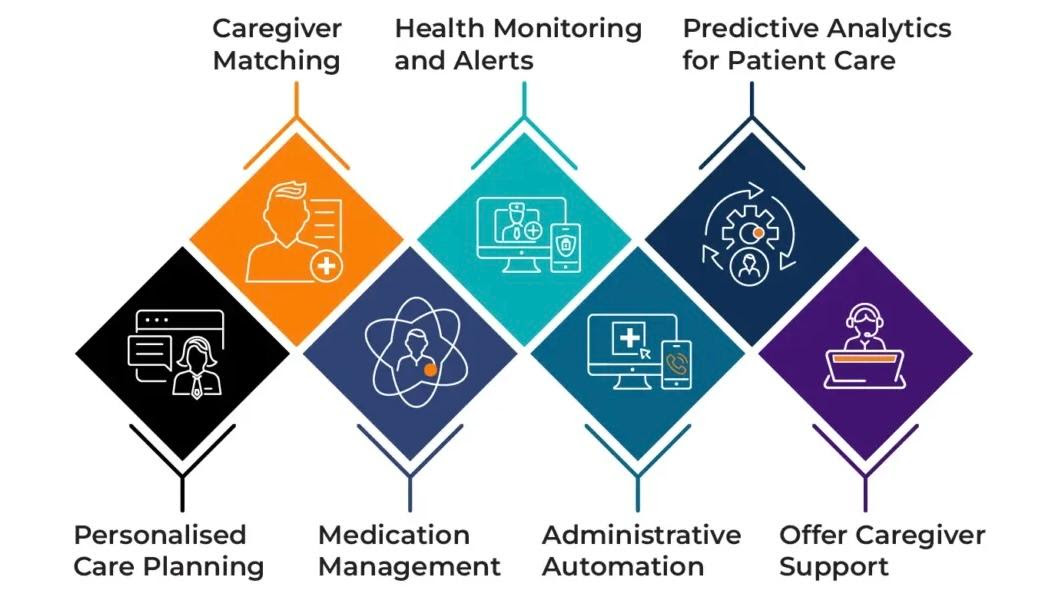
Used responsibly, AI has the potential to be a lifeline for unpaid caregivers. AI cannot and will not be a replacement for human care; it’s more of a support system that can help reduce stress, improve safety, and keep families together. AI-enabled tools can help caregivers track medications, monitor changes in health conditions, and receive early alerts before a situation becomes an emergency. For families caring for seniors or loved ones with chronic illness, AI tools can mean early alerts, fewer hospital visits, and more peace of mind.
AI can also help caregivers navigate complex systems. Many caregivers spend hours on the phone trying to coordinate appointments, refill prescriptions, and understand insurance paperwork. Smart digital assistants could help with these tasks and even flag missing benefits and local resources, giving caregivers back precious time.

None of this should happen without transparency, accountability, and proper regulation. Caregivers must know how these tools work, what data is being collected, and how privacy is protected. AI companies and public agencies must be held to clear standards to prevent bias, misuse, or surveillance, especially in communities of color that have historically been over-policed and underserved.
Most importantly, caregivers themselves must be part of the discussion as AI tools for their needs are designed and deployed. If AI is going to help caregivers, it must reflect their real lives, their cultural needs, and their financial constraints.
Unpaid family caregivers are already doing the work of compassion, resilience, and responsibility every day. With thoughtful oversight and a commitment to the public good, AI can help lighten that load, honoring caregivers with real, practical support.
I intend to lead the way and ensure caregivers have a voice in every stage of the process.
 Former U.S. Rep. Jesse Jackson Jr. is a family caregiver, a national leader on healthcare access and affordability, and a current candidate in Illinois’ Second Congressional District.