
The 61st Chicago International Film Festival (CIFF) is always a must-see. In addition to films from around the world, the festival features some Black filmmakers you know and some you should know.
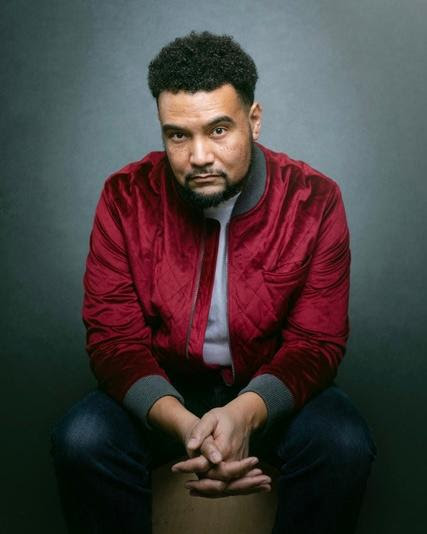
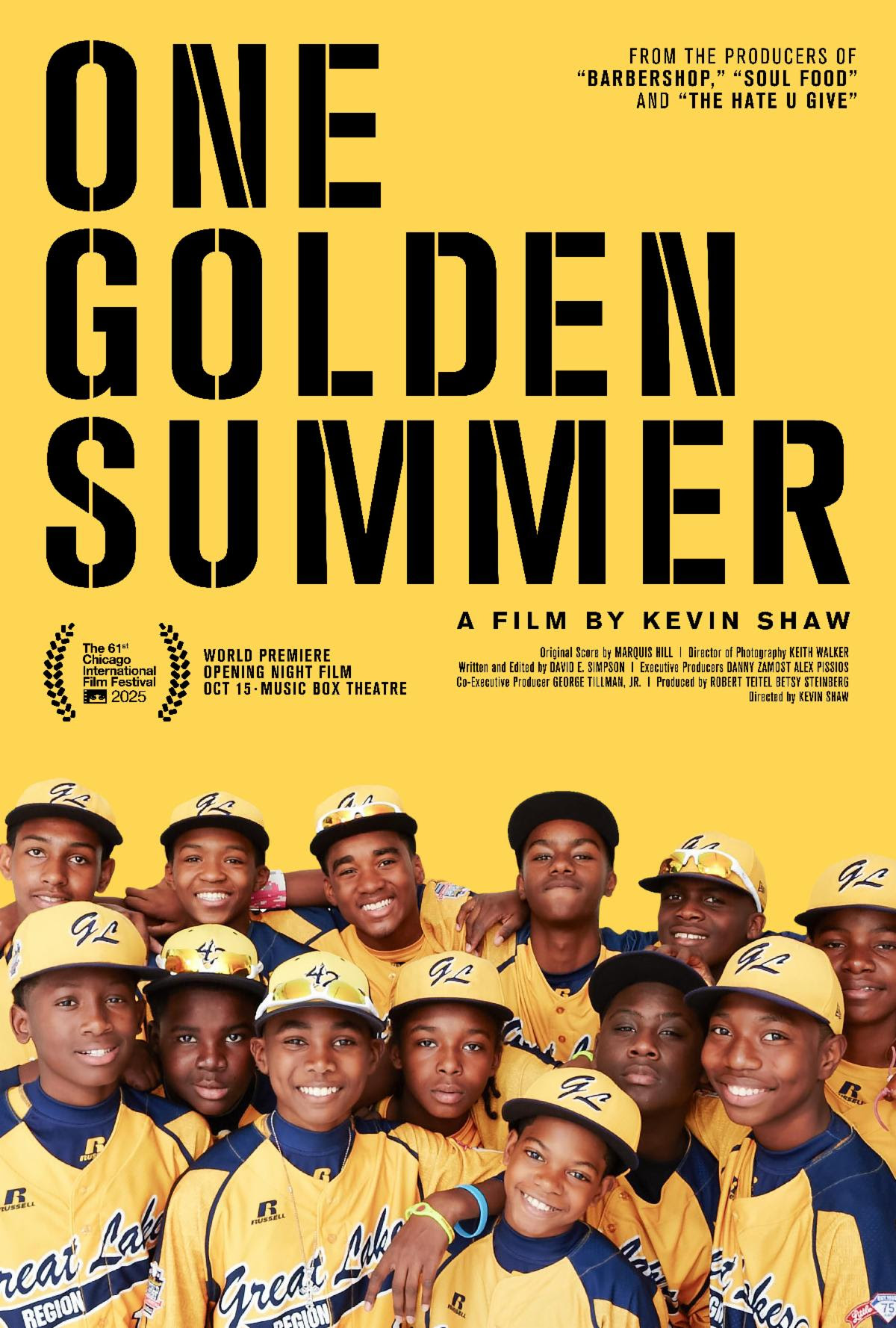
N’DIGO highlights a few of these filmmakers, starting with Chicagoan Kevin Shaw, whose film ‘One Golden Summer‘ is featured as the opening night film of the festival.
A director, producer, cinematographer, and editor, Shaw has produced award-winning movies for high-profile distribution. His film, ‘Let the Light Shine‘ received great reviews at film festivals and theaters across the nation, aired on PBS’s award-winning ‘POV‘, and was nominated for both an Emmy and a Peabody Award. Shaw’s debut documentary, ‘The Street Stops Here’, about the Basketball Hall of Fame coach Bob Hurley, aired nationally on PBS and ESPN in 2010 to rave reviews.
The film Linnentown, a documentary that aired on PBS, tells the story of an Athens, GA community whose family homes were razed in a 1960s urban renewal project. Now, along with civic-minded neighbors, they unite to try to reclaim their forgotten history and seek redress.
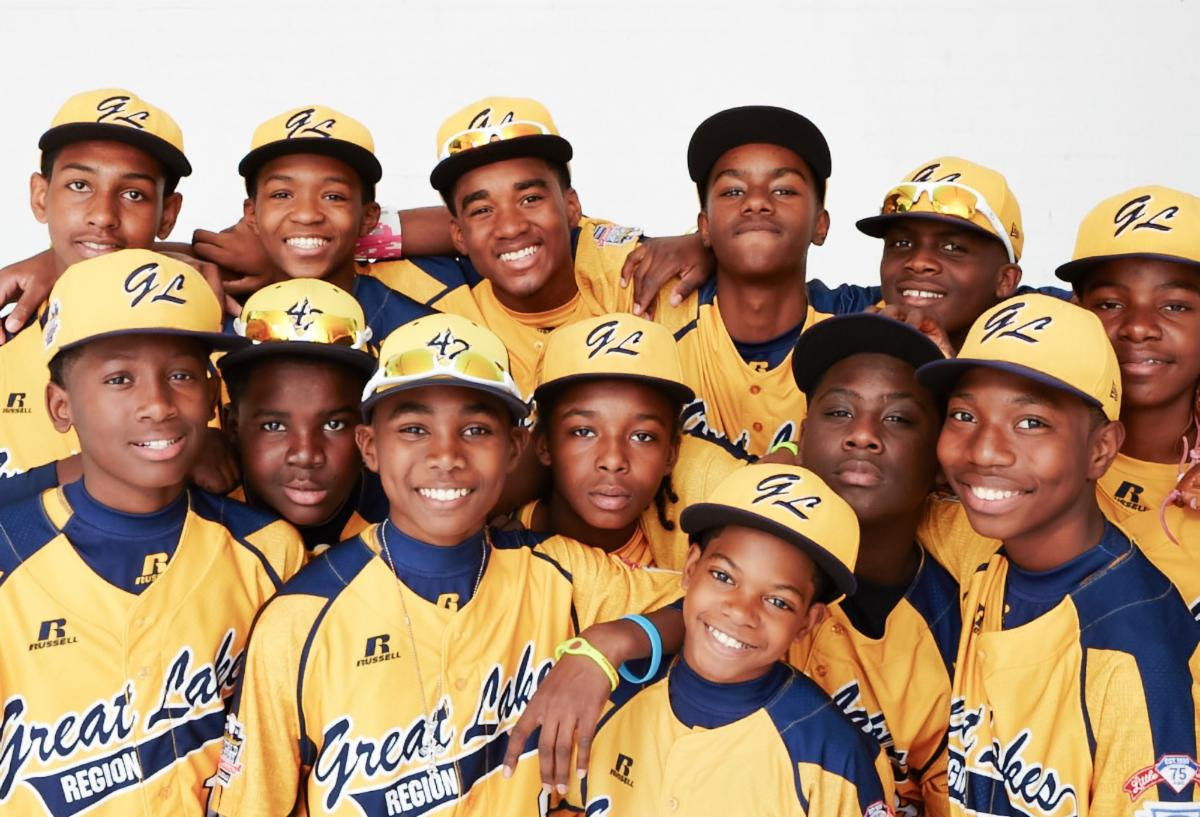
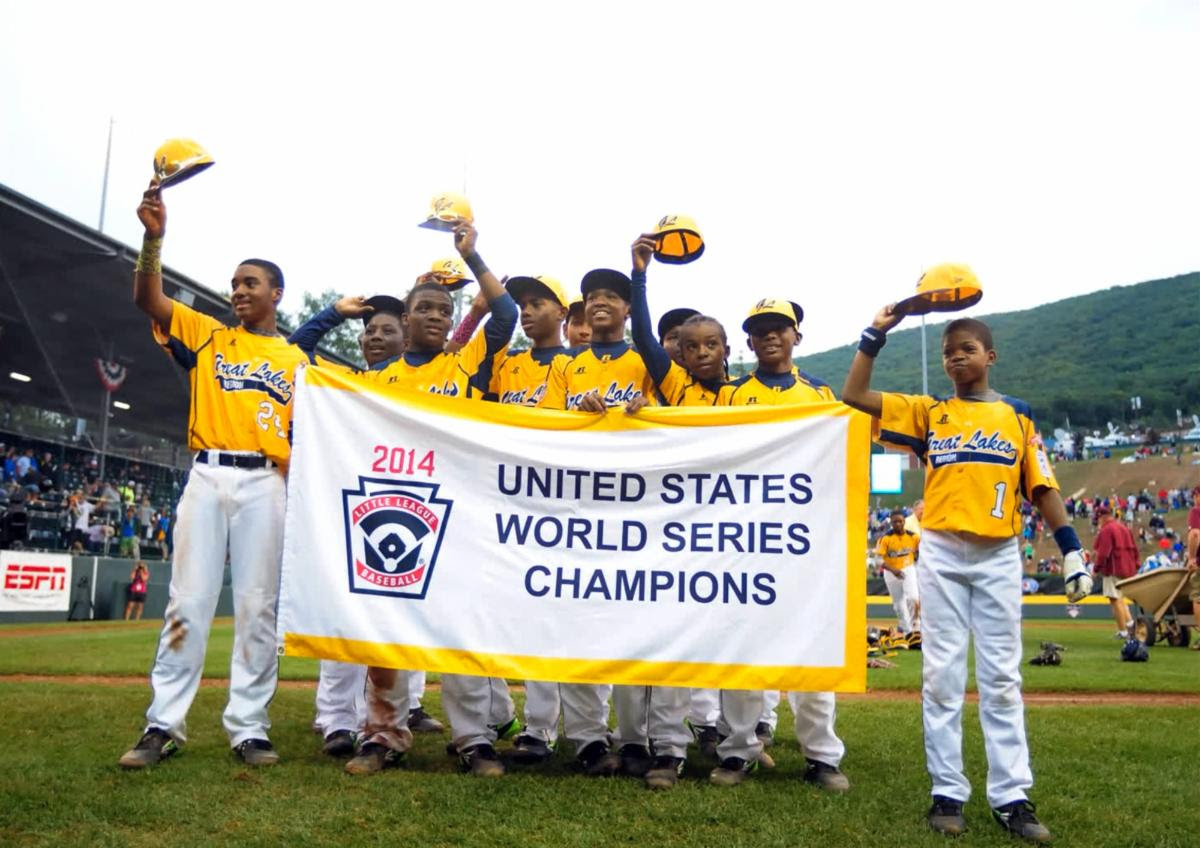
And now Shaw tells the story of the Jackie Robinson West Little League team that won a national championship and captured the hearts of the nation. N’DIGO spoke with Shaw about the film, its controversy, and where these young men are now.

Reggie Ponder: What does it mean for One Golden Summer to open the Chicago International Film Festival, and how important was it that the film was a “Chicago-born and raised” production?
Kevin Shaw: “I’m a Chicagoan, born and raised on the South Side. I grew up on 92nd and Stony Island, and never in my wildest dreams would I think that I would not only have a film at the Chicago International Film Festival, but also be the opening night screening. I really can’t believe it. Not only is it a Chicago-oriented film, it’s a Chicago-born and raised film. The crew that we have on the film is all from Chicago, and the premiere is just going to be a great celebration.
Beyond the 2014 team, how did you capture the deep, positive community infrastructure and mentorship the Jackie Robinson West organization built over the years?
“I wanted to let everybody know that Joseph Haley started the Jackie Robinson West team. It was all about creating a positive impact for kids on the South Side, allowing them to not only play baseball and experience camaraderie, but also learn about what it takes to not only play the game, but to be a good teammate. It was also about keeping people out of trouble, giving them a positive thing to look forward to—an opportunity for young kids to really find role models and look up to other people outside their household and see people who they could aspire to be.”
What was the driving force behind revisiting this story, and what did you hope to learn by asking, “Whatever happened to those kids?”
“The main thing was answering that question of ‘whatever happened to those kids?‘ It’s almost 11 years since they took the nation by storm… when the controversy erupted and things turned sour for the guys and for the organization, a lot was lost. A lot of times people didn’t realize a lot of what we would call now Internet trolling, these kids were experiencing that at that age of 12, 13 years old. Despite all of that, the bullying, and trauma. These kids continued on with their lives, found resilience and a lot of them continued on with their dreams of playing baseball.”
Unlike films like Hoop Dreams, where environment and personal struggle often thwart success, this story involves external organizations at fault. How did this inversion change your approach to challenging media stereotypes about the kids and their community?
“The movie tries to tackle a lot of stereotypes and perceptions that were out there about the Jackie Robinson West kids. When they were winning back in 2014, it was very easy for media to slap on the narrative of this as a rags to riches story, presenting all these kids coming from these poor neighborhoods. But when you start to really look and interrogate where these kids came from and what their family structure was, you realize that these were middle class kids that were coming from African American families. They weren’t poor kids. They didn’t fit that narrative, that media perception which was something I definitely wanted to explore. I was big on trying to shatter the stereotype.”
The boys were only 12 at the time of the controversy. Did they grasp the full depth of the racial and systemic injustice that was unfolding?
“Not at that age, they didn’t understand that at all. They were super confused as to why the title had been stripped from them. The movie will go into some instances that they had in the public space once the title had been stripped from them which were really negative experiences. I don’t think it was until they were much older that they really realized the kind of impact that this controversy was having on people.”
Speaking with the players and parents a decade later, did you find that they relived the pain more than the joy, and how did that inform the film’s emotional balance?
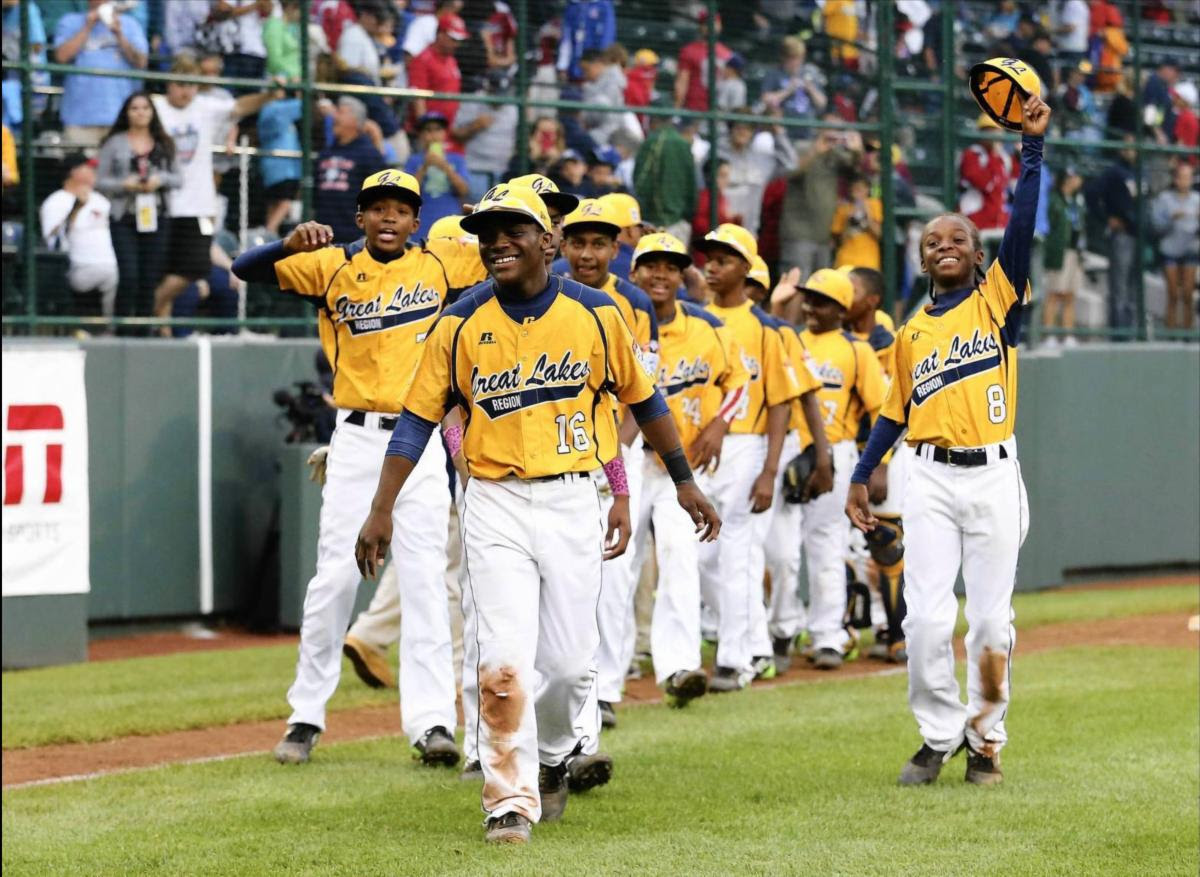
“It’s interesting that you think they relive the pain a little bit more than the joy, because I look at a guy like Marquis Jackson who’s one of the main participants in the film, one of the pitchers on the team. And he spoke about how this was still an experience that he would relive if he could. It had such an impact on him in a positive way, because of the friendships and the bonds that he made with the guys on the team. They’re brothers forever. Despite all of the negativity that they might have experienced after winning in 2014. There’s something about that brotherhood and that bond that would never be broken, and I think that speaks to their resilience.”
You intentionally sandwiched the rise and later success of the young men around the controversy. Why was this particular structure the right way to tell their story?
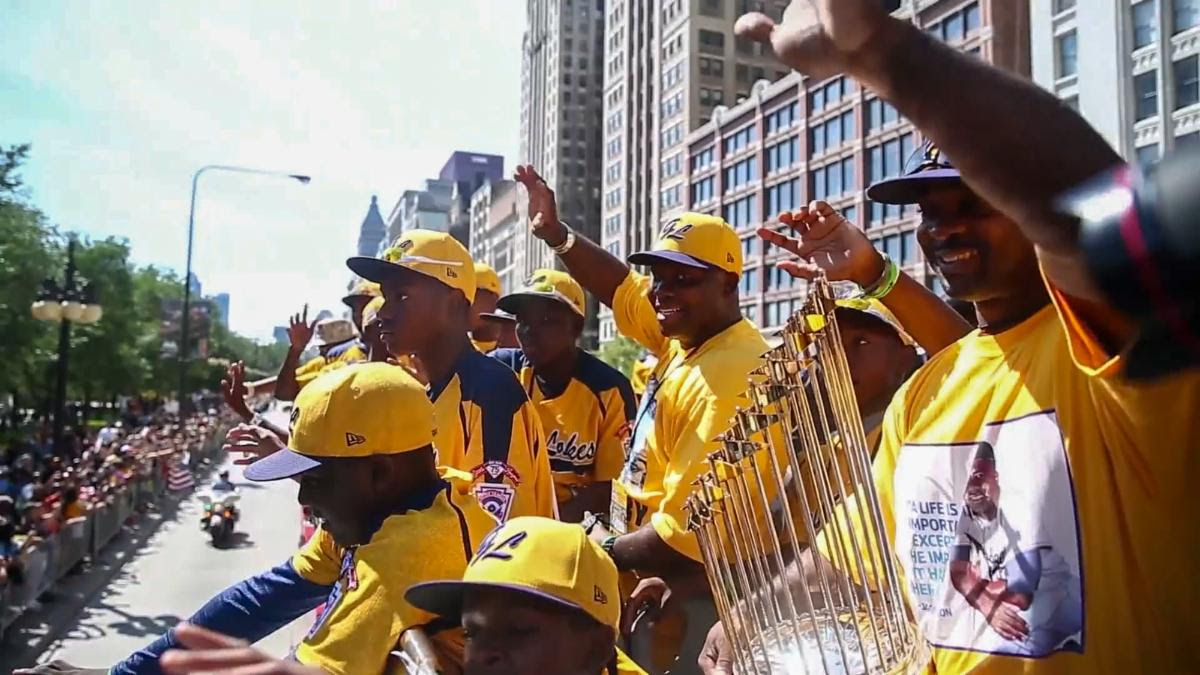
“I don’t know. It just felt like this was the way to tell the story. I was very interested in that whole idea of what happened to them and I wanted to make sure that the audience got an opportunity to get back on that train, that bandwagon with these guys to really understand why the city, why the nation would get behind this group. It was different because a lot of times we didn’t see Black children with joyous faces in the media perception, and I wanted to make sure that people got that. Hopefully they really got an understanding of who these guys were, and who their families were, so when you start to hear about the controversy and you understand what happened, you’re gutted too. But the biggest thing that I want people to take away from is that these kids didn’t deserve that. But despite all of that, they rose above it, and I think that is the triumphant hopeful aspect of the story.”
Can you mention a few of the key local Chicago filmmakers and artists you worked with on the production?
“Oh man, I’ll try my best. It starts with our producing team. There’s Bob Teitel, who’s a Chicagoan as well as a producer. Betsy Steinberg was our other producer on the film. We got Keith Walker, who is our Director of Photography. He’s a long time Chicagoan and a South Sider as well. Our editor, David E. Simpson, who’s a Chicagoan also. I also want to mention the person who did our original score, Marquis Hill, who is the Chicagoan as well. Great musician, great talent, and I think people will be really excited to hear what he cooked up for the film.”
Conclusion: A Tribute to Resilience
Kevin Shaw‘s ‘One Golden Summer‘ is more than a look back at a very important moment in Chicago’s sports history; it’s a history lesson as well as a tribute to these young men who captured our hearts.
CIFF will have three screenings of the ‘One Golden Summer‘:
Opening Night: Wednesday, Oct. 15, at The Music Box Theatre
Second Screening: Saturday, Oct. 18, at the Chicago History Museum
Final Screening: Sunday, Oct. 26, at Logan Center for the Arts, Screening Room