
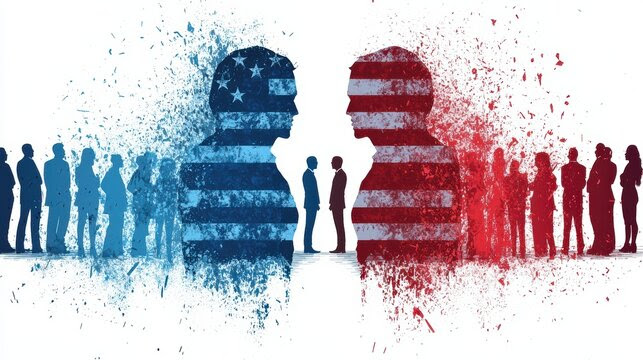
American political conversation today often feels like a battlefield. Discussions that were once held around dinner tables or in town halls have shifted into the digital arena, where nuance is usually lost and volume is amplified. To understand the current climate, we must examine the deep divisions between parties, the significant influence of social media, and the widespread dissemination of misinformation. By studying how we arrived at this point, we can identify paths toward a more constructive dialogue.
The Widening Chasm: Political Polarization
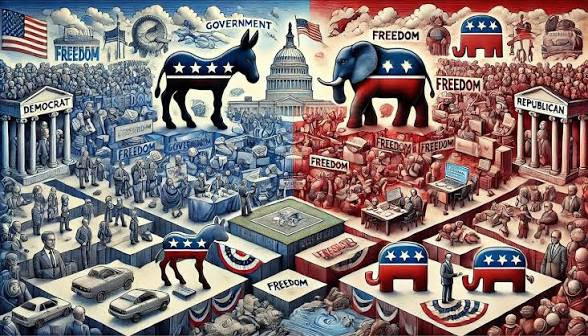
The division between America’s major political parties is not a new phenomenon, but the intensity and nature of this polarization have changed significantly. Historically, while Democrats and Republicans held different views, there was often a greater degree of overlap and a willingness to find common ground. Legislation was frequently passed with bipartisan support, and relationships across the aisle were common.
Today, political identity is more closely tied to personal and cultural values than ever before. This alignment creates “mega-identities” where being a Republican or a Democrat signals a person’s entire worldview. This shift makes compromise feel like a betrayal of one’s core principles. The political center has shrunk, leaving two distinct camps that view each other with increasing distrust and animosity. This “us versus them” mentality is a defining feature of modern American politics, making productive debate incredibly challenging.
The Echo Chamber of Social Media
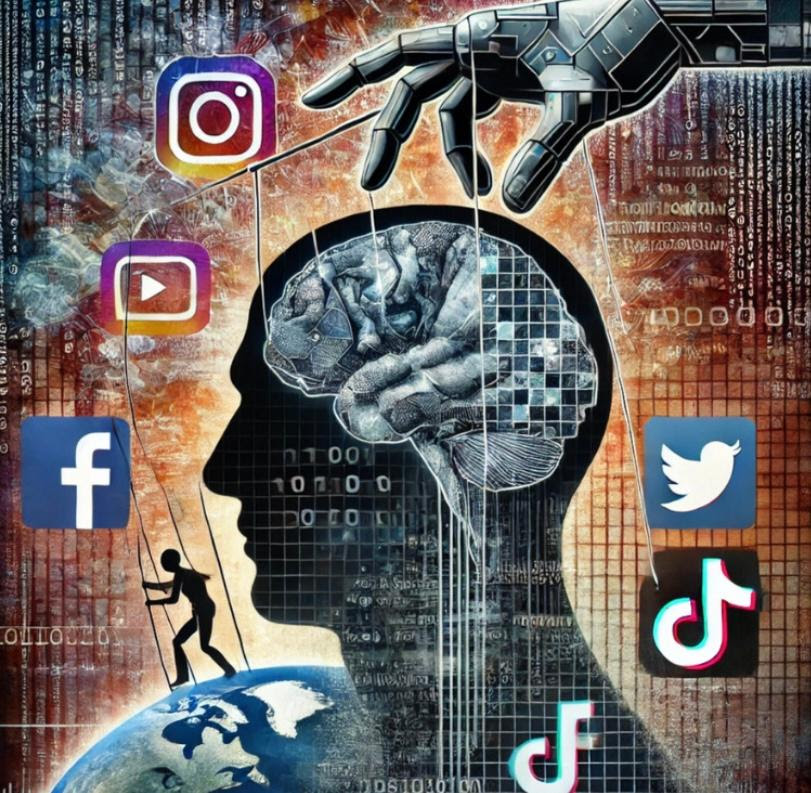
Social media has fundamentally reshaped how we consume information and engage in political discussion. Platforms designed to maximize engagement often prioritize emotional and sensational content, as they are more likely to elicit a response. Algorithms learn our preferences and feed us a steady diet of posts, articles, and videos that confirm our existing beliefs. This process can create powerful echo chambers and filter bubbles, insulating us from opposing viewpoints.

Within these digital spaces, complex policy issues are often reduced to viral soundbites, memes, and hashtags. While these formats can be effective for mobilizing support, they are not well-suited for detailed, thoughtful debate. The performative nature of social media can also encourage outrage and public call-outs rather than private, good-faith conversations. The result is a political discourse that is often more about demonstrating loyalty to a group than about a genuine exchange of ideas.
The Impact of Misinformation
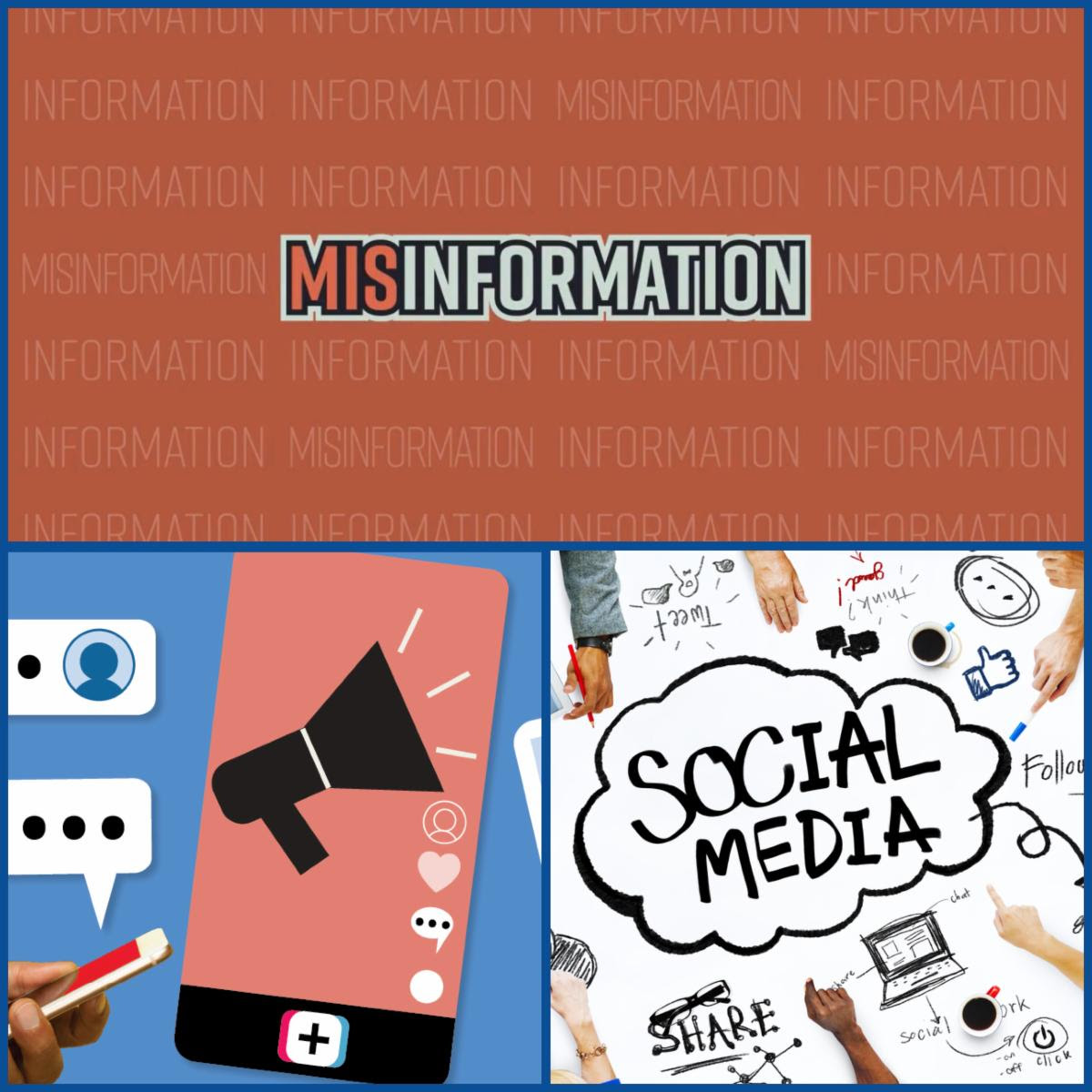
The spread of false or misleading information is another critical
challenge. Misinformation can travel with stunning speed on social media and other digital platforms, often amplified by anonymous accounts and foreign actors. It preys on our biases and emotions, making it difficult to distinguish fact from fiction.
When a significant portion of the population operates from a different set of facts, finding common ground becomes nearly impossible. Misinformation erodes trust in institutions like the government, science, and the media, which are essential for a functioning democracy. This erosion of a shared reality makes it challenging to engage in conversations about pressing issues, ranging from public health to election integrity.
Finding a Path Forward
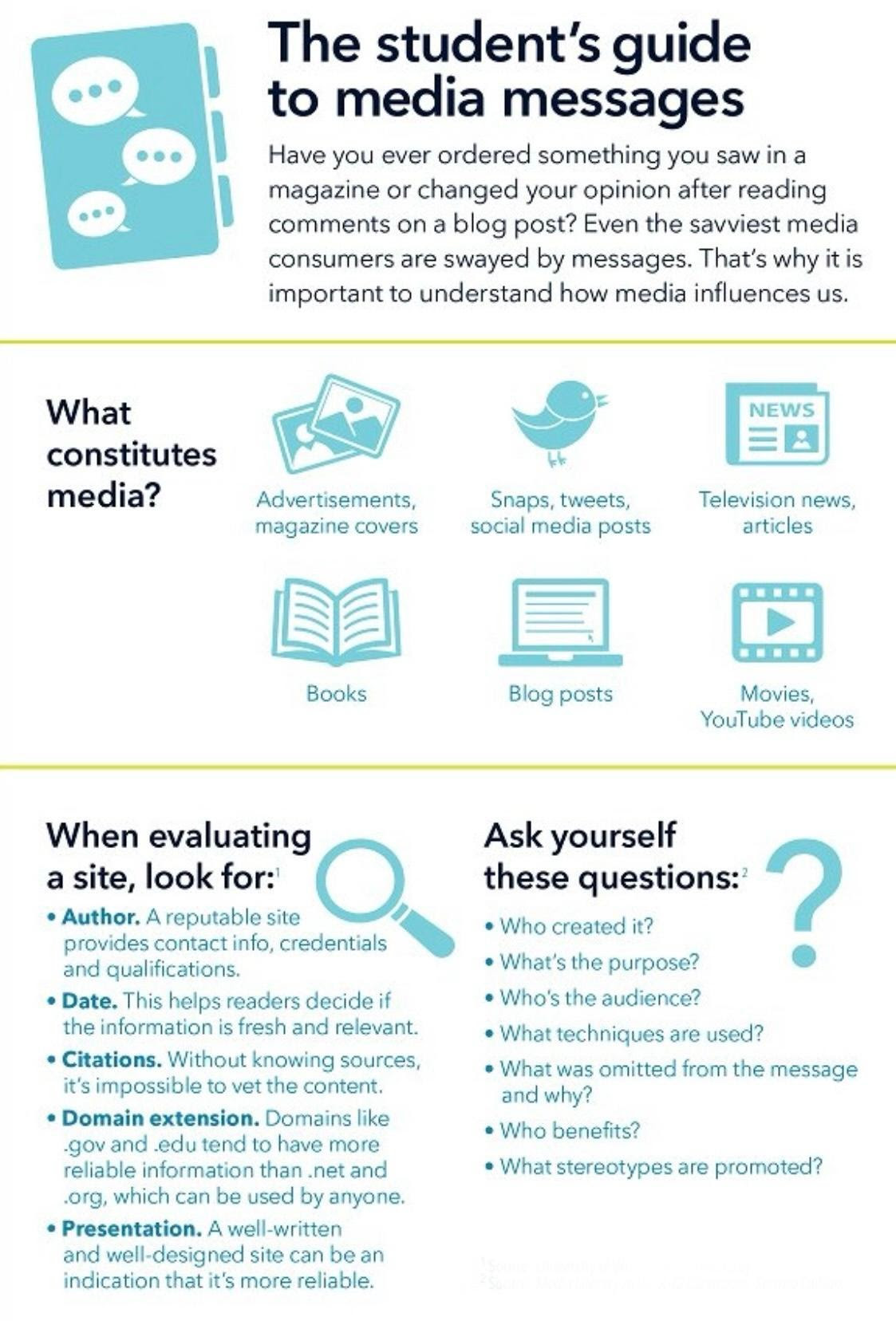
Improving the state of America’s political discourse is a complex task with no easy answers, but there are steps we can take to foster more constructive dialogue.
1. Promote Media Literacy: Education is a powerful tool. By teaching people how to evaluate sources, identify biases, and recognize misinformation critically, we can build a more informed public. This includes understanding the difference between a news report, an opinion piece, and a sponsored post.
2. Engage in Good Faith: Moving the needle starts with individual choices. We can commit to engaging with others respectfully, even when we disagree. This means listening to understand rather than to rebut, acknowledging valid points in an opposing argument, and avoiding personal attacks.
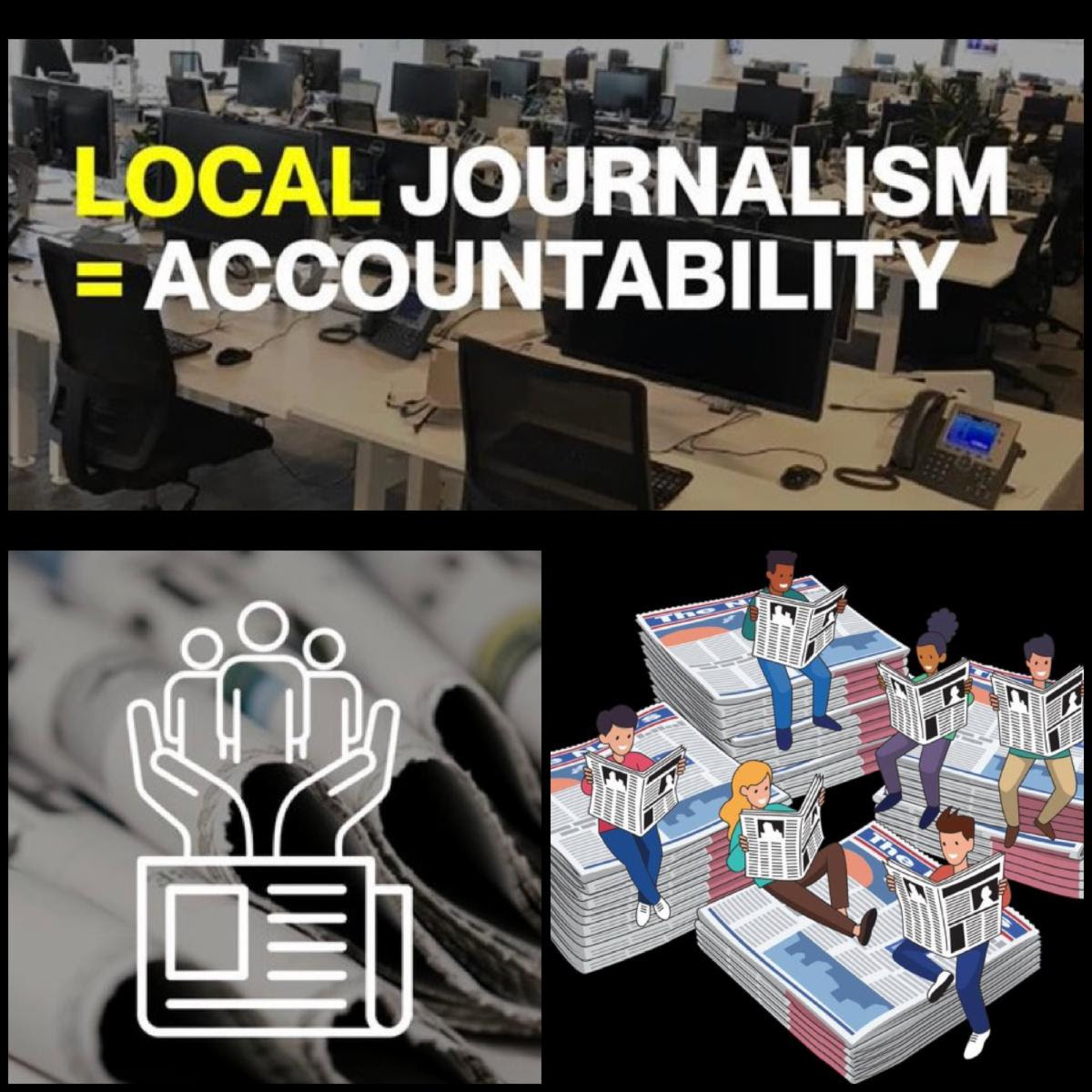
3. Support Local Journalism: Strong local news outlets are vital for a healthy information ecosystem. They provide context-rich reporting on community issues, holding local leaders accountable and fostering a sense of shared civic life that can transcend national political divides.
4. Seek Out Different Perspectives: We must make a conscious effort to break out of our echo chambers. This can involve following people on social media with different views, reading publications from across the political spectrum, or simply engaging in conversation with a neighbor who holds differing opinions.
The current state of political discourse presents a serious challenge, but it is not insurmountable. By understanding the forces of polarization, the mechanics of social media, and the threat of misinformation, we can begin to rebuild a culture of dialogue. It requires a collective commitment to valuing truth, empathy, and the shared goal of a more functional and unified society.