
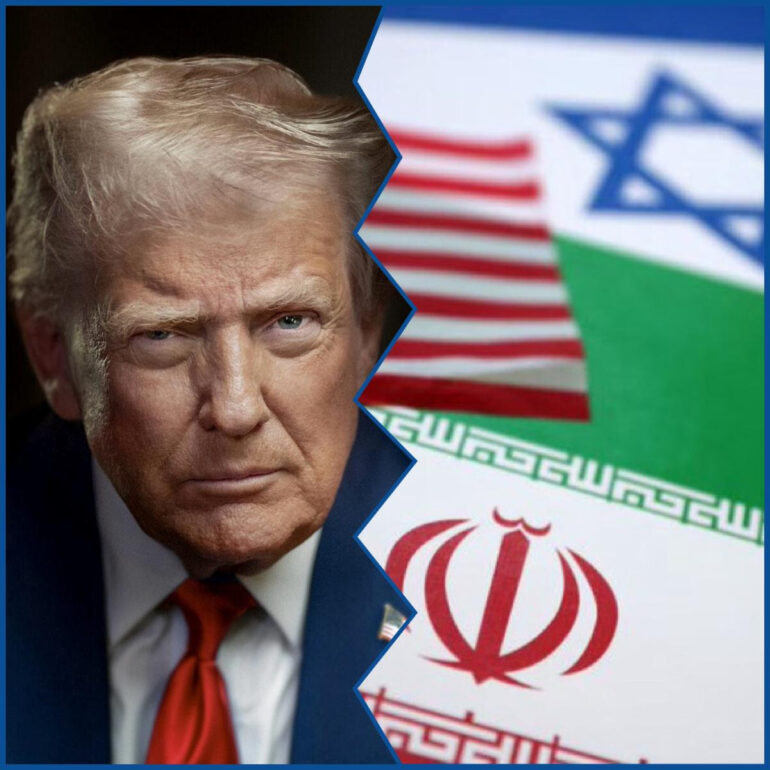
President Donald Trump made bold claims about foreign policy, military strategy, and international diplomacy. Trump is the ultimate dealmaker-in-chief, asserting that his unique brand of leadership can untangle the complexities of U.S. relationships abroad. But how do these ambitious promises hold up under scrutiny, and what might their implementation mean for global politics? Is World WAR III approaching?
A Refrain of Unconventional Diplomacy…
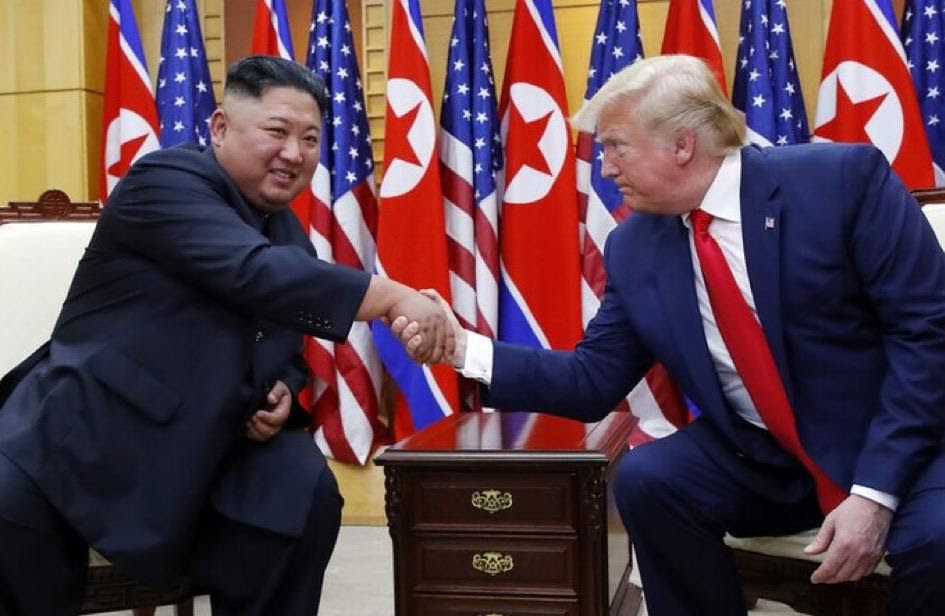
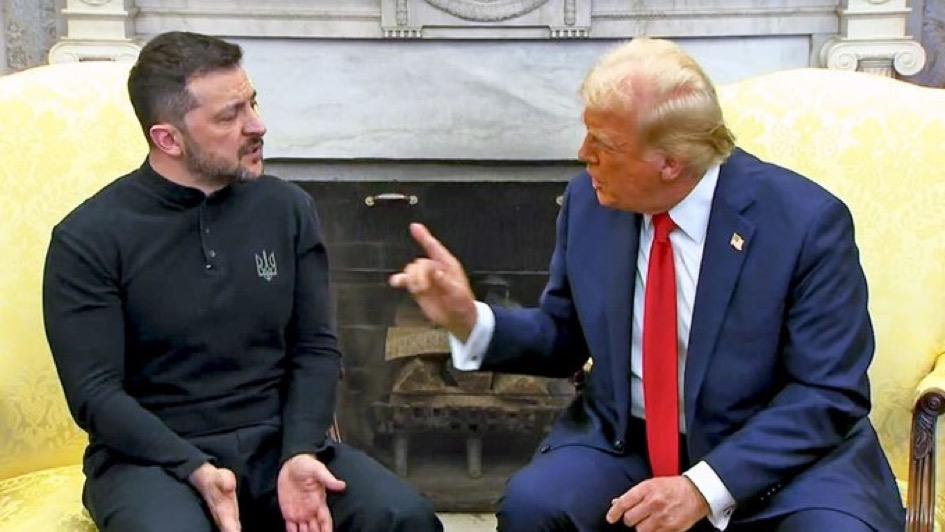
A signature feature of Trump’s political appeal has been his assertion that diplomacy doesn’t need to be constrained by conventional norms. During his presidency, his unorthodox overtures to North Korea’s Kim Jong Un were groundbreaking but polarizing. Trump has frequently claimed that this approach cooled what many feared was a march toward nuclear conflict, touting the personal rapport he established as a key to diplomacy.
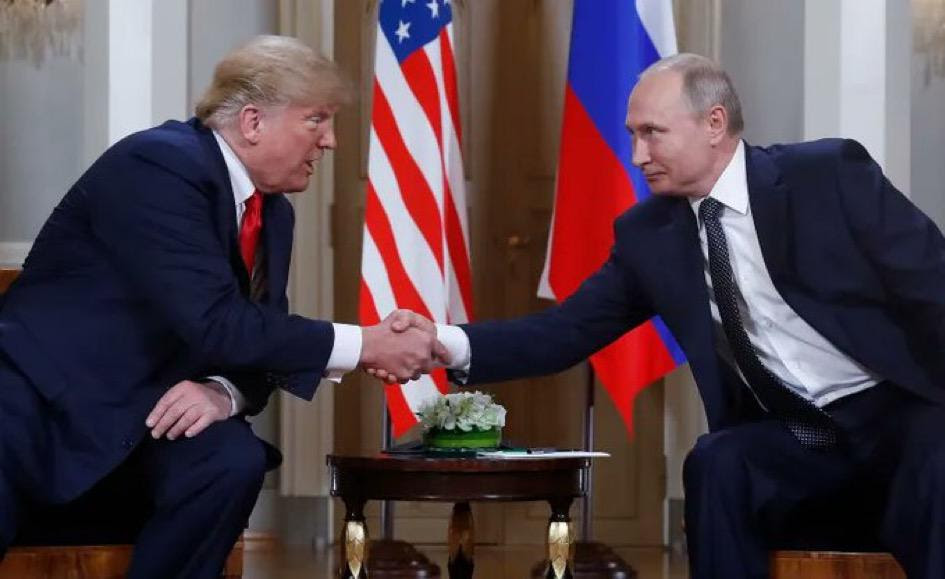
His latest campaign continues this rhetoric, with claims that he could broker an end to the Russia-Ukraine conflict within 24 hours of assuming office. This audacious promise has raised eyebrows. Critics highlight the complexities of the conflict, which involve not only territorial disputes but also deeply rooted historical tensions and a complex web of international alliances. The feasibility of resolving such a deeply entrenched war so quickly is dubious, yet it demonstrates Trump’s commitment to projecting himself as a singularly effective negotiator.
Military Maneuvering and the Question of Strength…

Another staple of Trump’s platform is his emphasis on military strength as a tool of international leverage. He positions himself as a leader who can wield the United States’ military dominance to assert global influence without entangling the nation in drawn-out conflicts. His campaign rhetoric often highlights a strong national defense while claiming that his presidency delivered on promises to reduce costly foreign engagements.
Is World War III approaching? Did Trump need Congress’s approval before the missile attack in the Middle East? Then Iran responded with an attack on the most significant American military base in Qatar. Currently, America has 45,000 troops in the region. Trump boasts that this is the most excellent military maneuver known to the world, citing his leadership.
Implications for Global Politics…
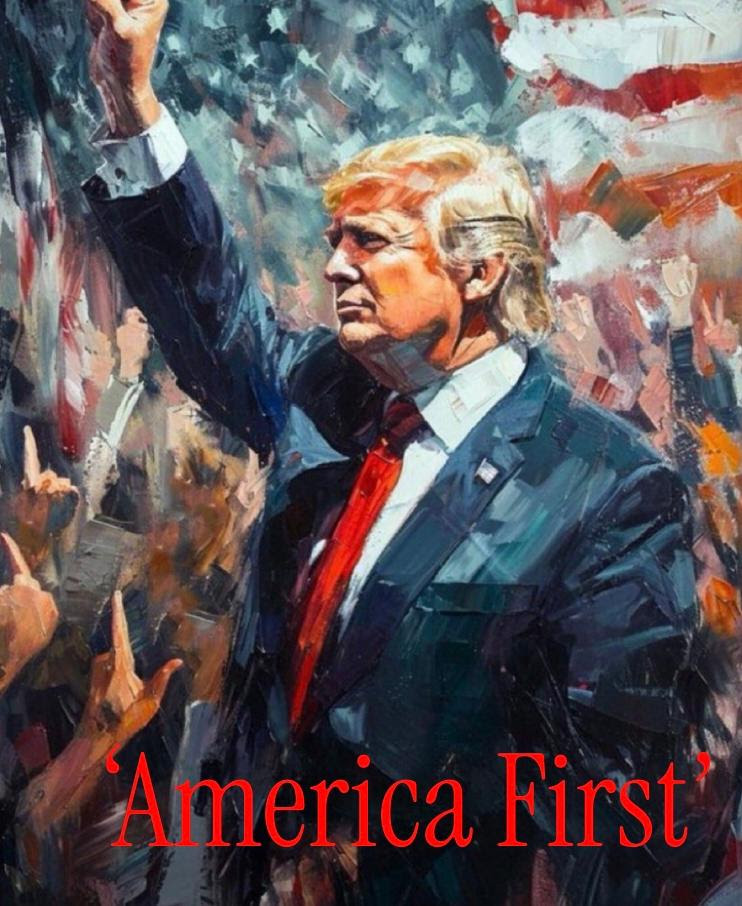
At the heart of Trump’s promises is the idea that an “America First” policy doesn’t preclude global leadership. Yet the question remains—does this doctrine enhance the U.S.’s position on the world stage, or does it contribute to a more fragmented international order? For allies, Trump’s vision of foreign policy, driven by personal relationships and transactional diplomacy, often destabilizes multilateral agreements and norms that have long underpinned global stability.

For adversaries, his often incendiary rhetoric and unpredictable tactics can be either a deterrent or an opportunity. Trump’s claim that his relationship-building skills dissuaded conflict is contradicted by evidence of heightened tensions in certain regions during his tenure. Nonetheless, his supporters argue that this unpredictability kept U.S. adversaries cautious, if not outright cooperative.
The Editorial Verdict…
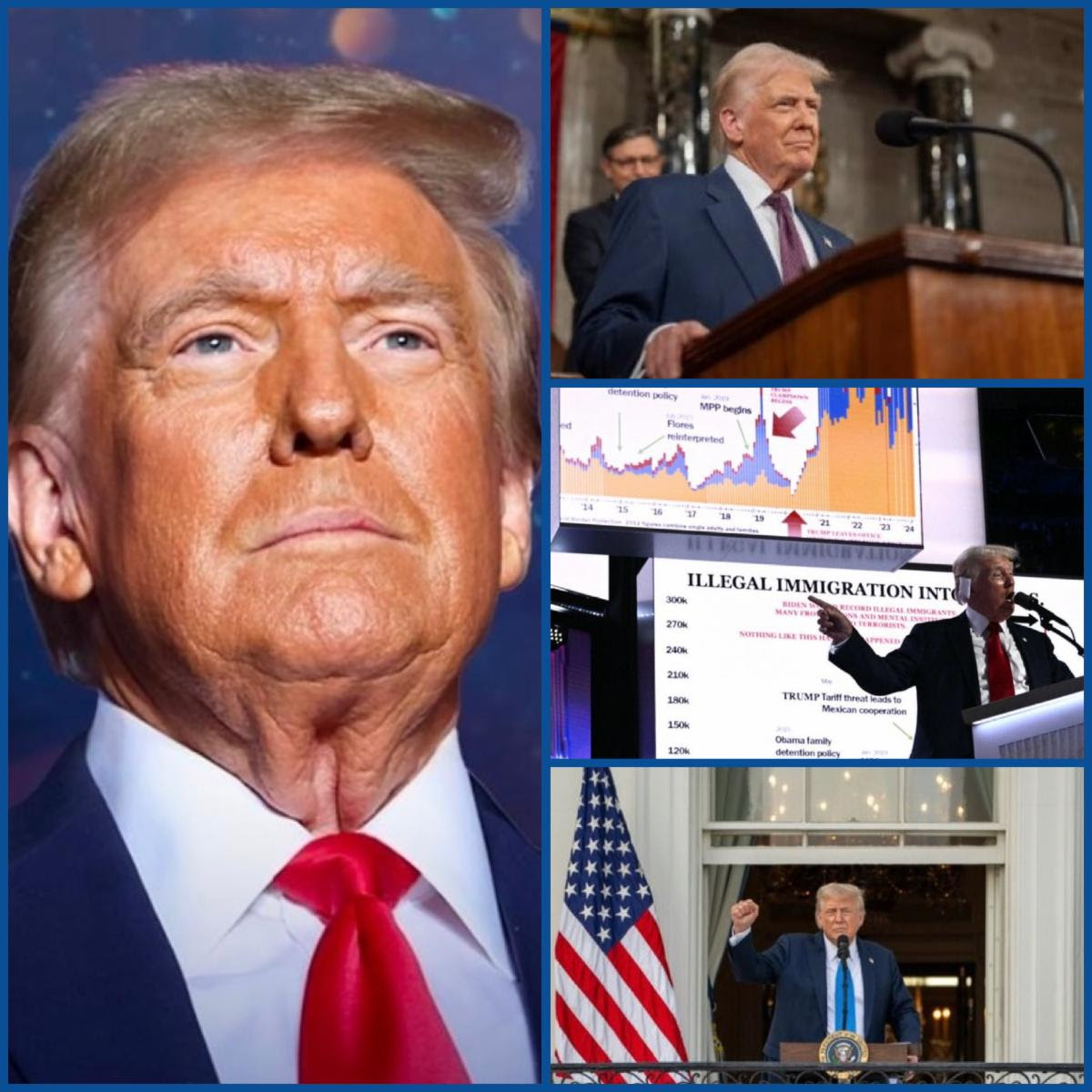
Donald Trump’s return to the political stage revives a familiar debate about how much disruption the global order can (or should) tolerate in the name of American interests. His campaign promises, if realized, could redefine the geopolitical landscape, though not without risks.
So, where do we go from here? What happens if a third country, a third party, joins the war on Israel’s side? Will other powers, such as China and Russia, also become involved? If so, how will they side? And could the war in the Middle East spill over into the United States, the country that dropped the bombs? World War III is an unthinkable scenario—something to avoid, as nuclear weapons could wipe out the planet.
Then there are attacks at home, with Trump targeting migrants, trying to remove them from America. How many troops are still fighting, and who is fighting whom? Senators are being threatened for attending government buildings. We see lawmakers in Minnesota killed in their homes by a pastor with murderous intent.
So, who is the true enemy, and what war do we fight? Trump’s approach to diplomacy and military intervention reflects his personality—bold, direct, and unapologetically unconventional. Whether this is the strategy the United States and its allies need in the face of emerging global crises is a question for voters to grapple with. Whatever the outcome, Trump’s imprint on international politics is bound to remain significant, as his vision continues to challenge traditional notions of American leadership in an increasingly volatile world.